


Catering is an essential part of any successful event, but for Muslim families and organizations, Zabiha catering goes beyond taste and presentation — it’s about faith, trust, and ethical food practices. If you’re new to Zabiha catering, understanding its principles, processes, and benefits can help you make informed decisions for weddings, corporate events, family gatherings, and community functions.
This beginner’s guide explains the fundamentals of Zabiha catering, how it differs from standard halal options, and why it has become a preferred choice for many.
What Is Zabiha Catering?
Zabiha catering refers to food services that use meat slaughtered according to Islamic guidelines. The term “Zabiha” comes from Arabic, meaning “properly slaughtered.” For meat to be considered Zabiha, a Muslim must perform the slaughter while reciting the name of Allah, and the animal must be treated humanely and swiftly during the process.
Caterers that offer Zabiha meals ensure that every step — from sourcing ingredients to cooking and serving — aligns with Islamic dietary requirements. This is why Zabiha catering is highly valued in Muslim communities, as it provides confidence that the food served respects religious guidelines.
Zabiha vs Halal: Understanding the Difference
While Zabiha meat is always halal, not all halal meat qualifies as Zabiha. Halal is a broader term that includes any food permissible under Islamic law, including vegetarian and packaged foods. Zabiha, however, specifically refers to the method of animal slaughter and ensures ethical and religious compliance.
Beginners often confuse the two, but recognizing the difference is important, especially when planning events for Muslim guests. Zabiha catering guarantees that meat is sourced from certified suppliers and that preparation follows strict standards, making it a trustworthy choice for religious observance.
Key Principles of Zabiha Catering
Professional Zabiha caterers adhere to several principles:
-
Certified Sourcing: All meat comes from trusted Zabiha-certified suppliers. Documentation and labeling help verify authenticity.
-
Strict Hygiene: Kitchens and cooking equipment are maintained separately to prevent cross-contamination with non-Zabiha food.
-
Ethical Practices: Zabiha emphasizes humane treatment of animals, promoting ethical and responsible food preparation.
-
Diverse Menus: Caterers create menus ranging from traditional South Asian and Middle Eastern dishes to fusion and modern options, accommodating different tastes and events.
Types of Events Suitable for Zabiha Catering
Zabiha catering can elevate any gathering by providing both quality and compliance with Islamic dietary laws. Typical events include:
-
Weddings and Receptions: Large guest lists demand reliable, Zabiha-certified food.
-
Corporate and Business Events: Offices and organizations increasingly provide inclusive food options for Muslim employees and clients.
-
Family Gatherings: Birthdays, anniversaries, and home celebrations benefit from customized Zabiha menus.
-
Community Functions: Mosques, schools, and nonprofit events often require Zabiha catering to ensure inclusivity.
Benefits of Choosing Zabiha Catering
-
Trust and Peace of Mind: Guests can enjoy meals without questioning the source or preparation method.
-
High Quality and Cleanliness: Most Zabiha caterers prioritize hygiene, fresh ingredients, and professional standards.
-
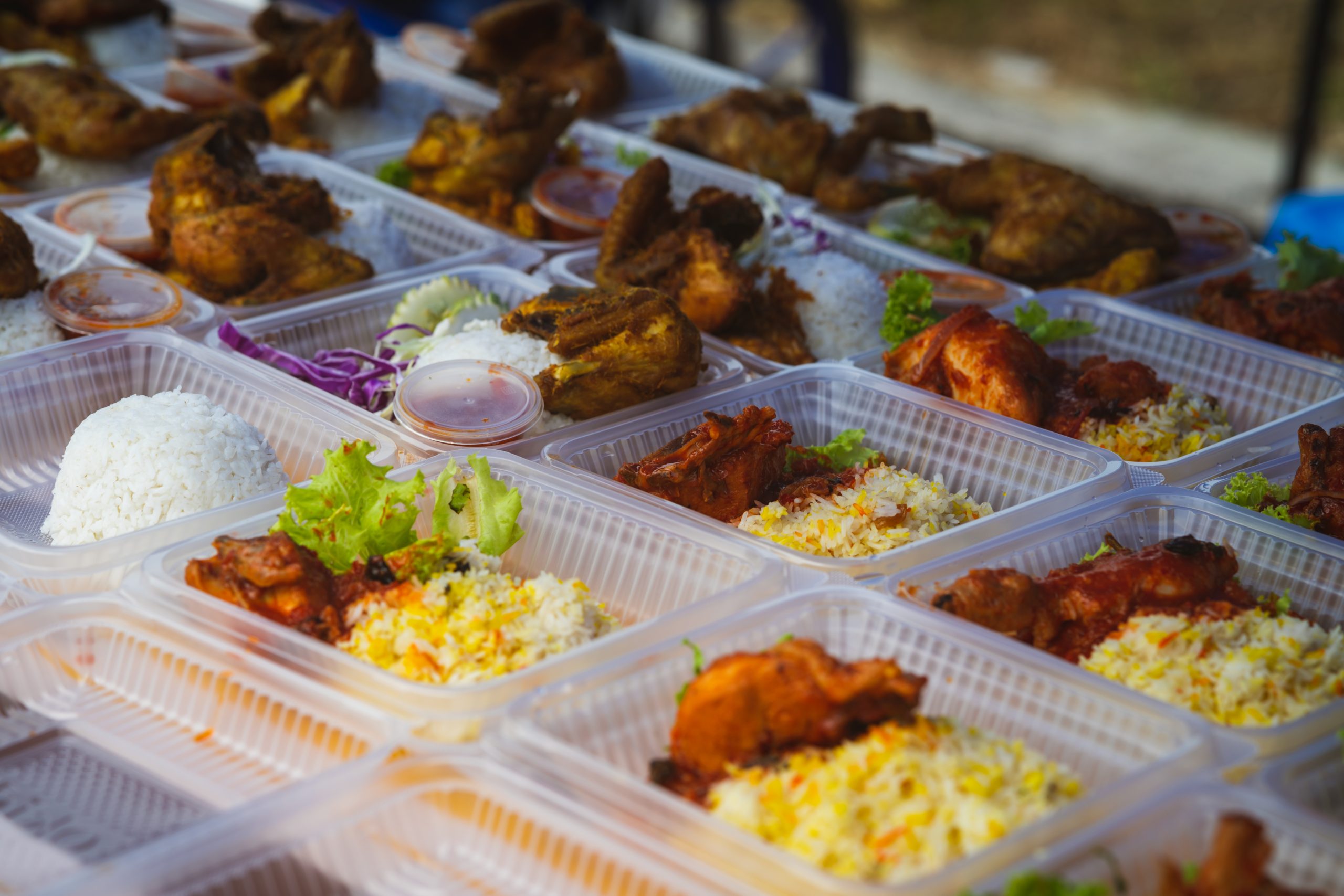
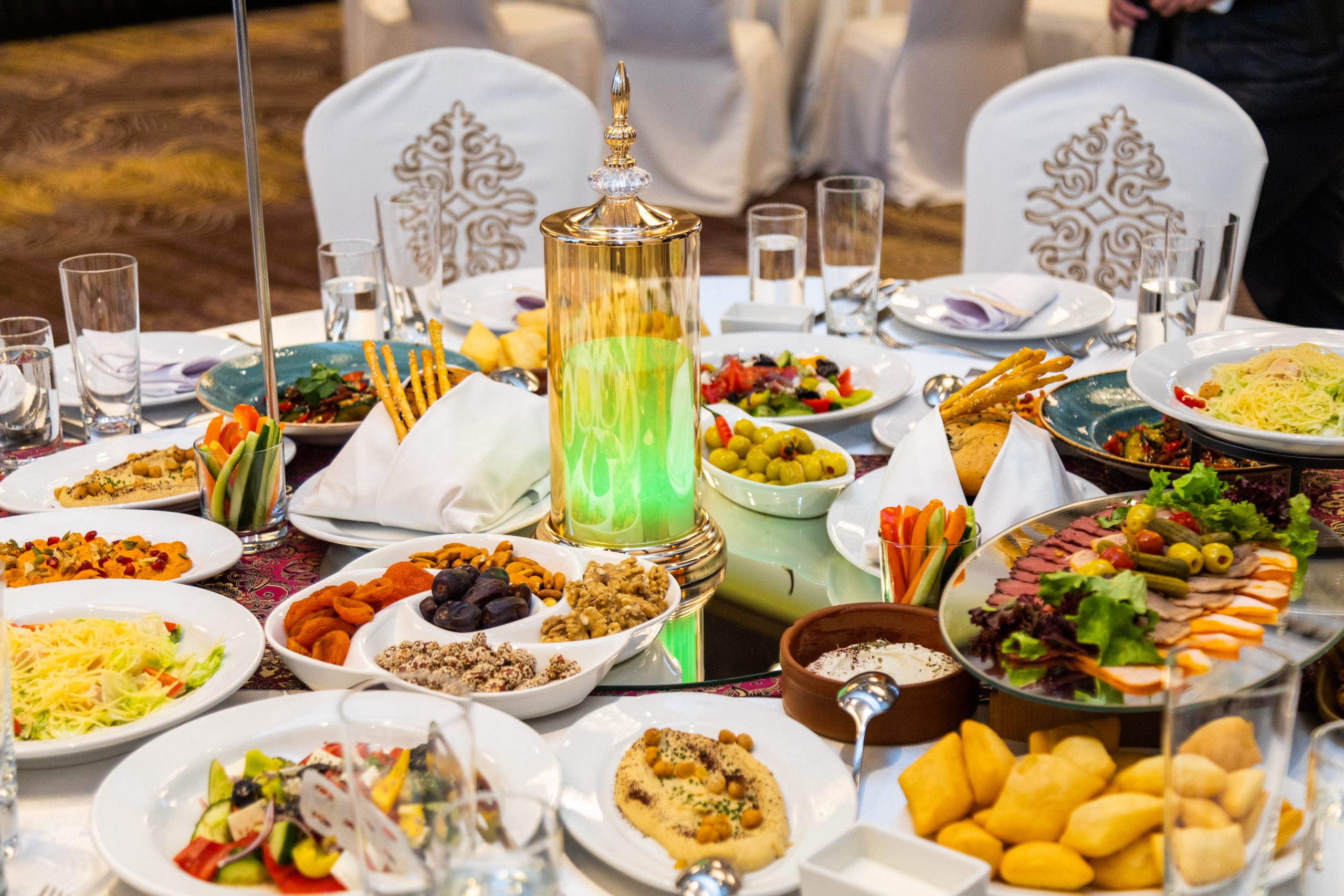
Menu Variety: From biryani and kebabs to live cooking stations and modern fusion dishes, Zabiha catering offers diverse options for any palate.
-
Cultural and Religious Compliance: Ensures hosts honor traditions while delivering an excellent dining experience.
Tips for Beginners
If you’re planning your first event with Zabiha catering, keep these tips in mind:
-
Verify Certification: Always confirm that your caterer sources certified Zabiha meat.
-
Review Menus: Ask for menu options and customization to suit your guests’ preferences.
-
Plan in Advance: Popular Zabiha caterers can book up quickly, especially during weddings or festivals.
-
Ask About Hygiene Practices: Ensure the caterer follows strict food safety standards.
The Growing Popularity of Zabiha Catering
With rising awareness about halal standards and ethical meat practices, Zabiha catering is gaining popularity not only among Muslims but also among health-conscious and ethically minded clients. Modern Zabiha caterers now blend traditional flavors with contemporary presentation, offering elegant, nutritious, and delicious meals suitable for any event.
Conclusion
Zabiha catering is more than just a way to serve food — it is a commitment to faith, ethics, and quality. By understanding the basics, beginners can confidently plan events that respect religious requirements while delighting guests with delicious and professionally prepared meals.
From weddings and corporate events to private family gatherings, Zabiha catering ensures that every bite is not only enjoyable but also aligned with Islamic principles. Choosing a reputable Zabiha caterer guarantees peace of mind, high standards, and a memorable culinary experience for all attendees.