


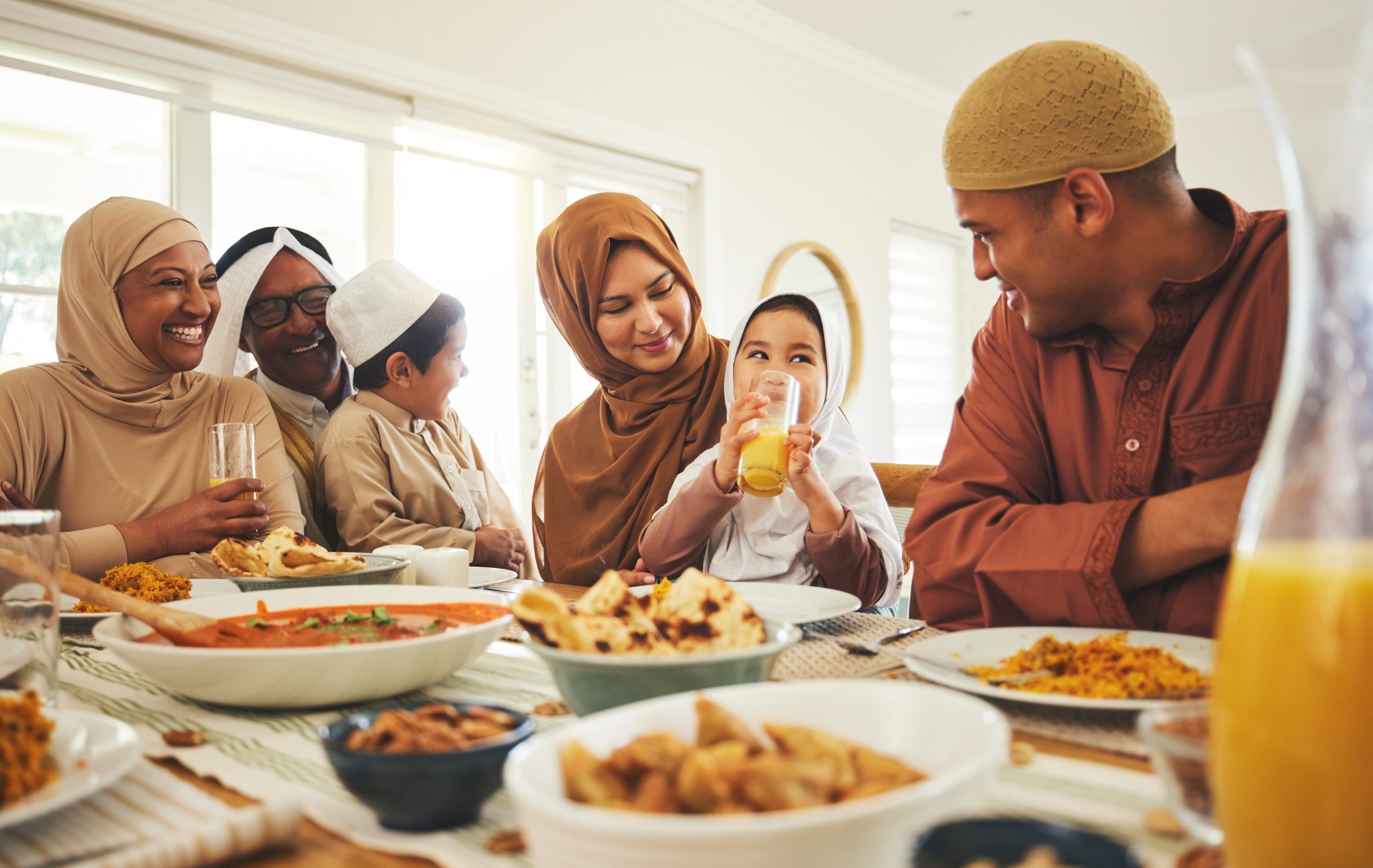
When planning events or dining with Muslim guests, understanding Zabiha and halal food is essential. However, there are many myths and misconceptions that can create confusion for hosts, caterers, and even consumers. Misunderstandings about what qualifies as Zabiha or halal can lead to mistakes in event planning, menu selection, and dietary compliance.
This guide clears up common myths, explains the differences, and provides clarity for anyone navigating Zabiha and halal catering.
Myth 1: All Halal Meat Is Zabiha
One of the most common misconceptions is that halal meat automatically meets Zabiha standards. While Zabiha meat is always halal, not all halal meat is Zabiha.
-
Halal meat broadly refers to any food permissible under Islamic law, which includes vegetarian dishes, seafood, and processed foods.
-
Zabiha meat specifically requires that a Muslim performs the slaughter, pronounces the name of Allah, and follows humane, ritual-compliant procedures.
This distinction is crucial for events with Muslim guests who strictly observe dietary laws. Choosing Zabiha-certified meat guarantees authenticity and religious compliance.
Myth 2: Only Meat Needs to Be Considered
Some people assume that Zabiha standards only apply to meat and that other foods, such as vegetarian dishes, dairy, or seafood, require no verification. While Zabiha rules indeed apply only to meat, there is still a risk of cross-contamination in kitchens that handle both Zabiha meat and non-halal products.
Professional Zabiha caterers maintain separate cooking surfaces, utensils, and storage areas to ensure all dishes, including side items, remain compliant. Even for vegetarian or seafood dishes, preparation in a fully Zabiha-compliant environment is essential for strict adherence.
Myth 3: Zabiha and Halal Are Marketing Terms
Some people believe that labeling food as Zabiha or halal is just a marketing strategy to attract Muslim customers. In reality, both terms are rooted in Islamic law and have strict guidelines.
Certified Zabiha and halal caterers undergo inspections, use verified suppliers, and maintain documentation to ensure compliance. Mislabeling food as Zabiha or halal without proper certification is not only misleading but also religiously invalid.
Myth 4: Zabiha Meat Is the Same Everywhere
Another misconception is that all Zabiha meat is identical, regardless of supplier or region. In reality, the quality, handling, and certification processes can vary significantly.
Reputable Zabiha caterers source meat from certified suppliers who follow ethical slaughtering practices, provide proper documentation, and maintain high-quality standards. Hosts should always verify certification and inquire about sourcing to avoid fake claims.
Myth 5: Halal Means Healthy
While halal and Zabiha foods often emphasize cleanliness and ethical preparation, halal does not automatically mean healthy. Some halal products may be highly processed, fried, or loaded with sugar and preservatives.
Zabiha catering, in particular, often prioritizes fresh ingredients, humane sourcing, and professional preparation. However, event organizers should still review menus to ensure balanced nutrition, especially for weddings, corporate events, or family gatherings.
Myth 6: Zabiha Catering Is Expensive
Many people assume that Zabiha catering is always costly compared to standard catering. While some premium Zabiha caterers may charge more due to sourcing, certification, and quality, there are many affordable options that provide authentic Zabiha meals without exceeding budgets.
Planning in advance, customizing menus, and comparing certified caterers can help hosts deliver Zabiha-compliant meals while managing costs.
Why Clarifying These Myths Matters
Understanding the truth about Zabiha and halal food ensures:
-
Religious Compliance: Guests can eat confidently knowing meals meet Islamic standards.
-
Guest Satisfaction: Properly prepared food reduces confusion and dissatisfaction.
-
Event Planning Confidence: Hosts can choose menus, caterers, and setups without worry.
-
Ethical and Safe Practices: Zabiha caterers follow strict hygiene, sourcing, and preparation standards.
Tips for Hosts and Caterers
-
Verify Certification: Always ask for Zabiha certification and supplier documentation.
-
Ask About Kitchen Practices: Ensure separation from non-halal foods to prevent cross-contamination.
-
Educate Staff: Caterers and event teams should understand the difference between halal and Zabiha.
-
Customize Menus: Offer options that meet both dietary and cultural preferences.
Conclusion
Zabiha and halal catering are not interchangeable, and misconceptions can create challenges in planning and serving events. By debunking myths — from assuming all halal is Zabiha to thinking Zabiha is automatically expensive — hosts and caterers can make informed decisions that honor Islamic dietary laws.
Choosing verified Zabiha catering ensures meals are authentic, ethically prepared, and safe, enhancing guest trust and satisfaction. Whether for weddings, corporate events, family gatherings, or community programs, understanding these distinctions allows hosts to provide inclusive, high-quality dining experiences while respecting religious traditions.