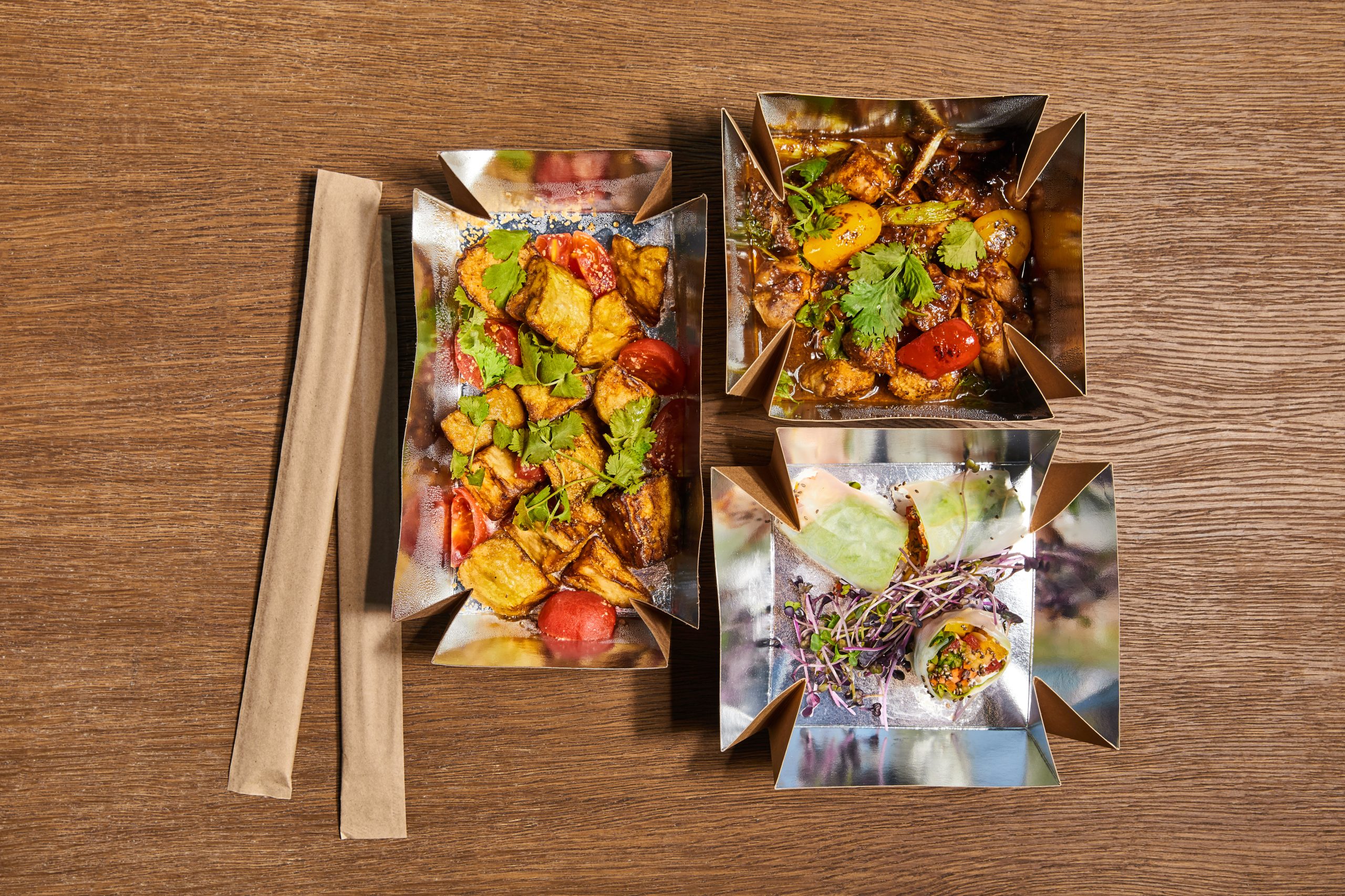



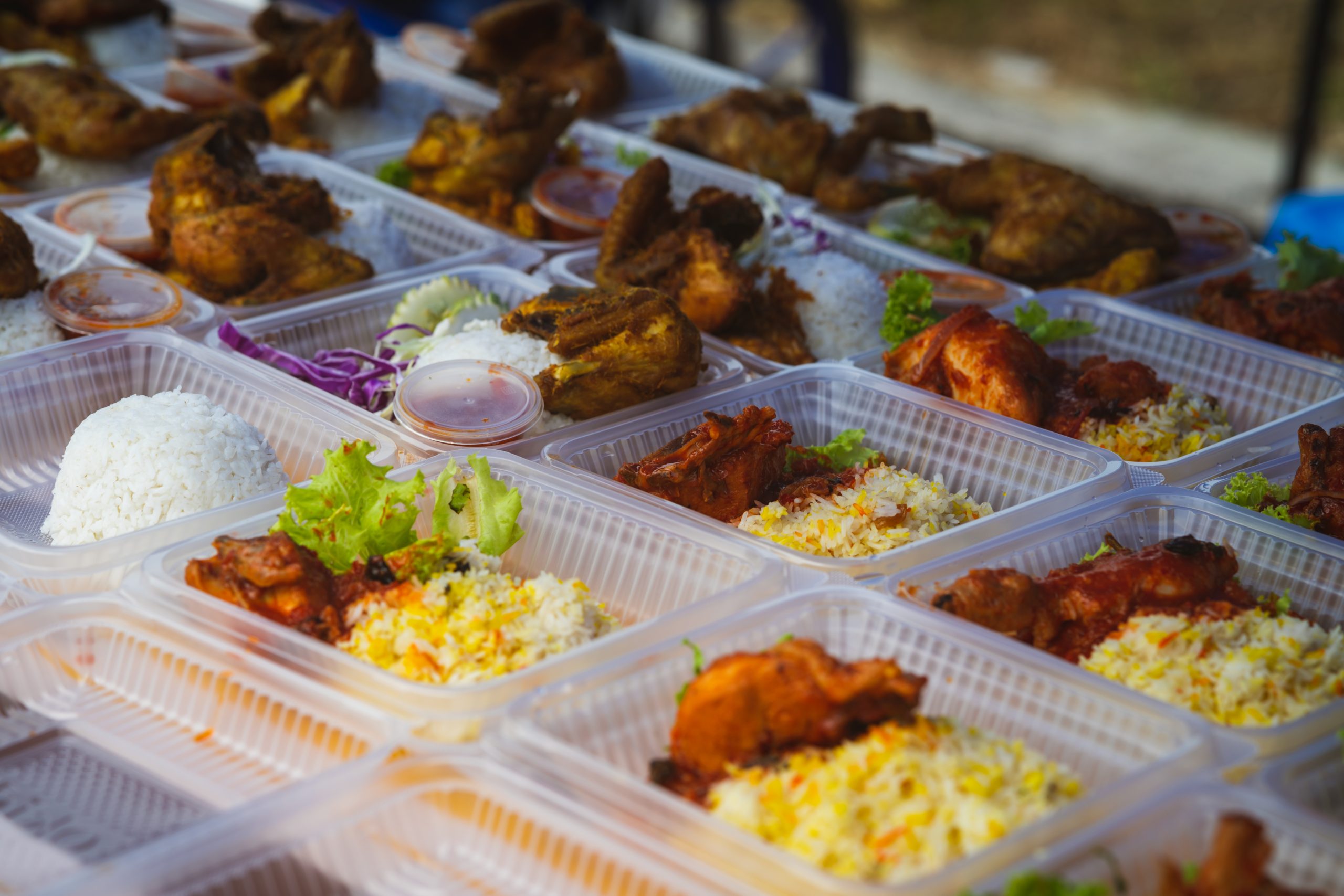

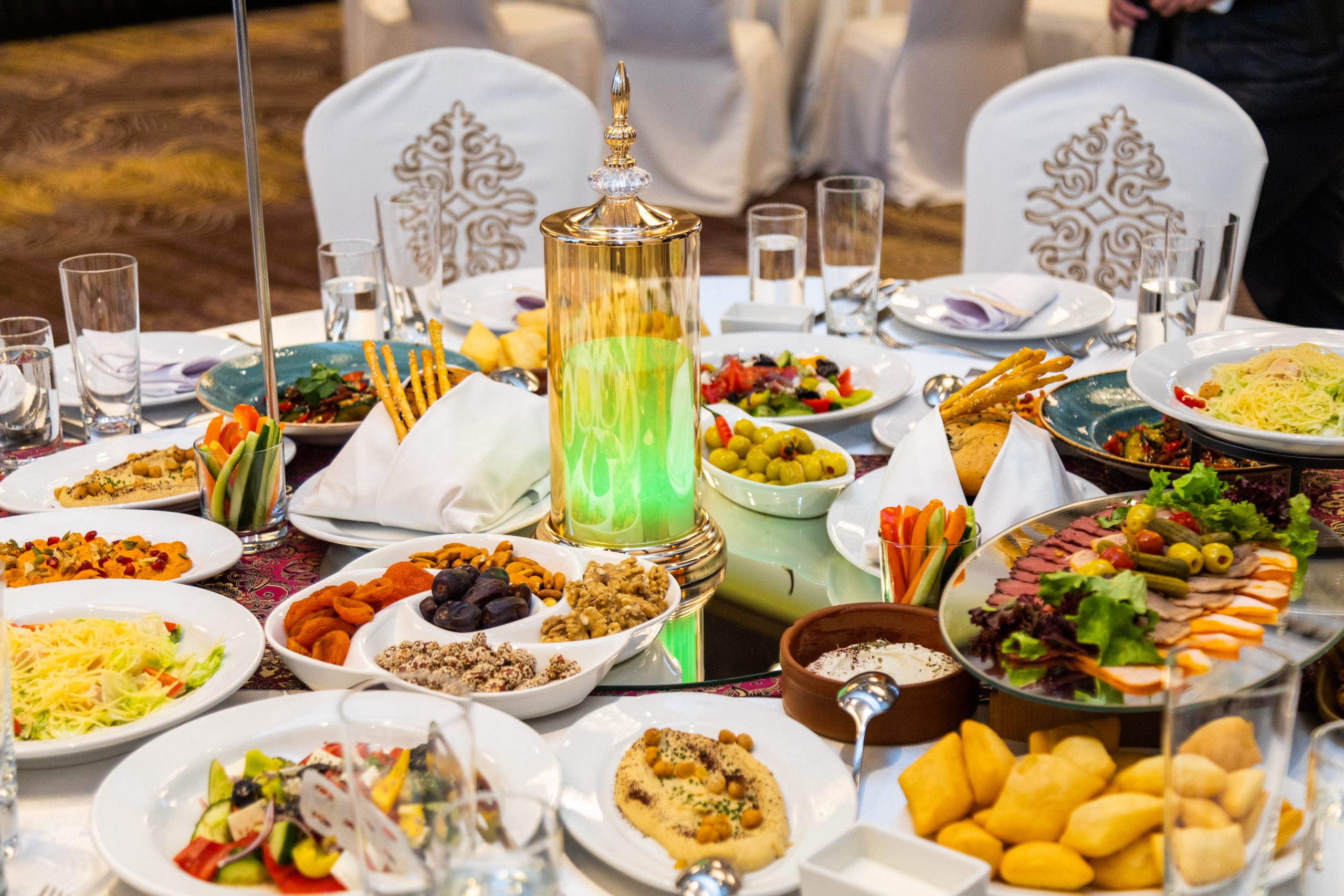


For corporate and community events, guests often prefer meals that are light, healthy, and easy to digest. Low-oil Zabiha dishes provide flavorful, satisfying options without the heaviness of traditional rich preparations. These dishes enhance the dining experience while supporting wellness and comfort.
Grilled and Roasted Zabiha Meats
Cooking Zabiha meats with minimal oil preserves flavor and keeps dishes light:
-
Grilled chicken kebabs or skewers
-
Roasted lamb chops or beef steaks
-
Marinated and baked Zabiha meat served with fresh herbs
Grilling or roasting highlights the natural taste of the meat while avoiding excess fats.
Steamed and Stir-Fried Dishes
Steaming and stir-frying use very little oil but maintain texture and nutrition:
-
Steamed chicken or lamb with vegetables
-
Stir-fried mixed vegetables with lean Zabiha meat
-
Lightly seasoned dishes with fresh spices and citrus
These methods make dishes easy to digest and ideal for daytime corporate events.
Healthy Curries and Stews
Even saucy dishes can be low-oil if prepared thoughtfully:
-
Use low-oil cooking techniques for curries and stews
-
Incorporate natural thickeners like yogurt or pureed vegetables instead of cream
-
Serve Zabiha meat with vegetable-rich sauces for balanced nutrition
Fresh Salads and Accompaniments
Pairing low-oil meat dishes with fresh sides enhances the meal:
-
Leafy green salads with light vinaigrette
-
Quinoa or brown rice bowls
-
Grilled vegetables or lightly seasoned legumes
These sides complement Zabiha meat and provide variety without adding unnecessary fats.
Benefits for Event Guests
-
Meals are lighter and easier to digest, ideal for long events
-
Supports healthy eating habits without sacrificing taste
-
Guests feel more energized and comfortable after meals
Conclusion
Low-oil Zabiha dishes offer a healthy, flavorful alternative for corporate and community events. By focusing on grilling, roasting, steaming, and light sauces, caterers can provide meals that guests appreciate for both taste and wellness. These mindful preparations reflect professionalism, care, and attention to dietary needs, creating a positive and memorable dining experience.