

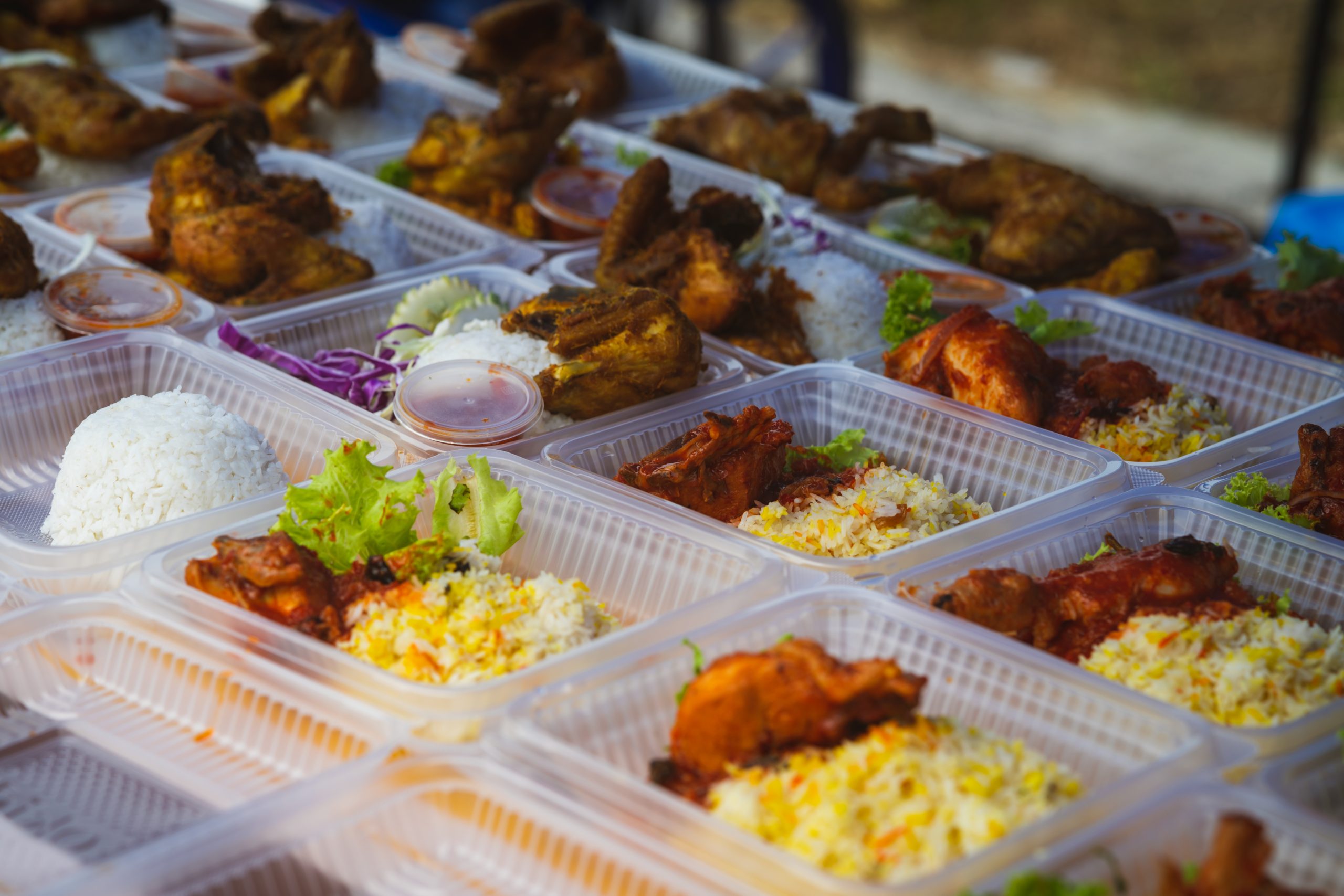

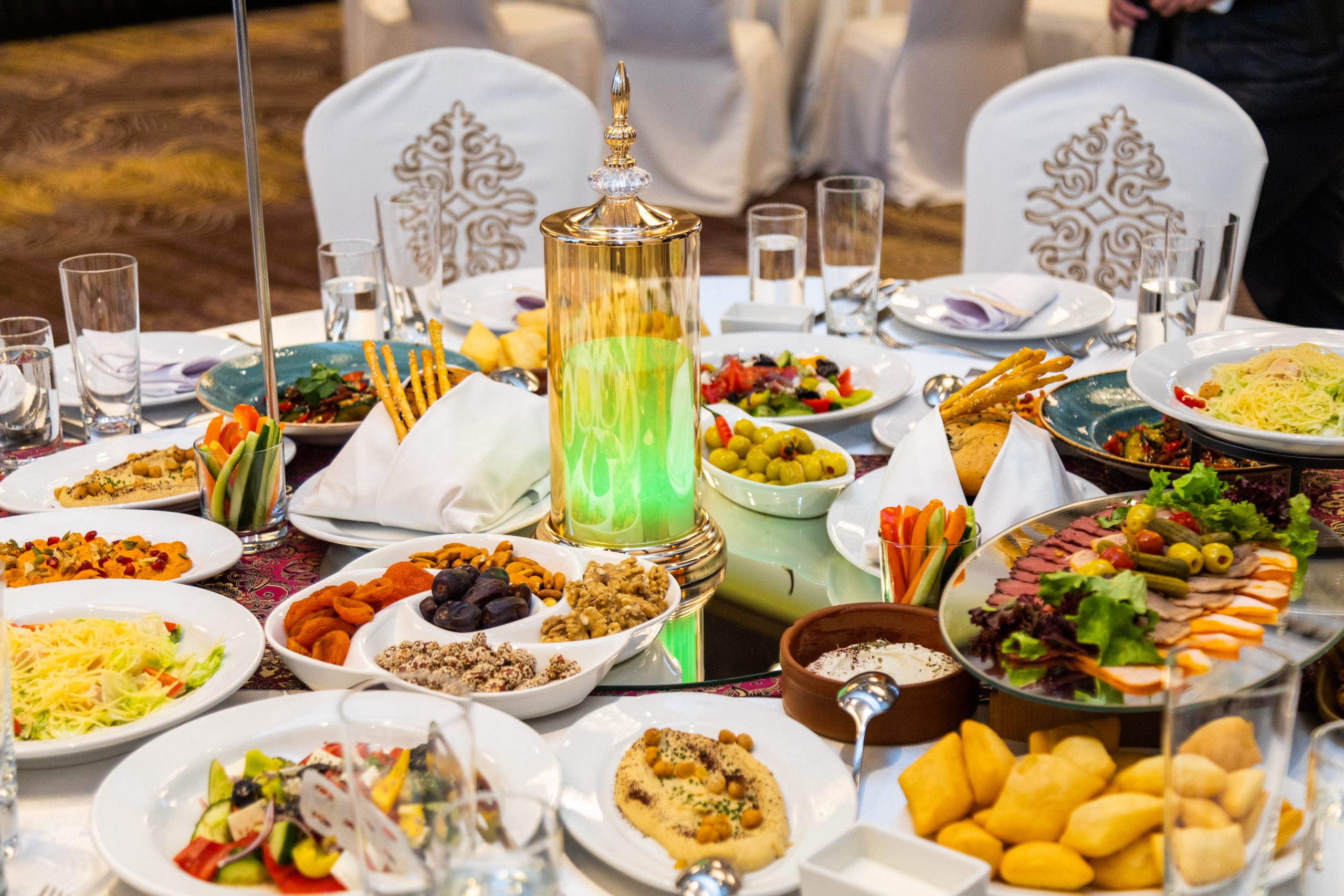
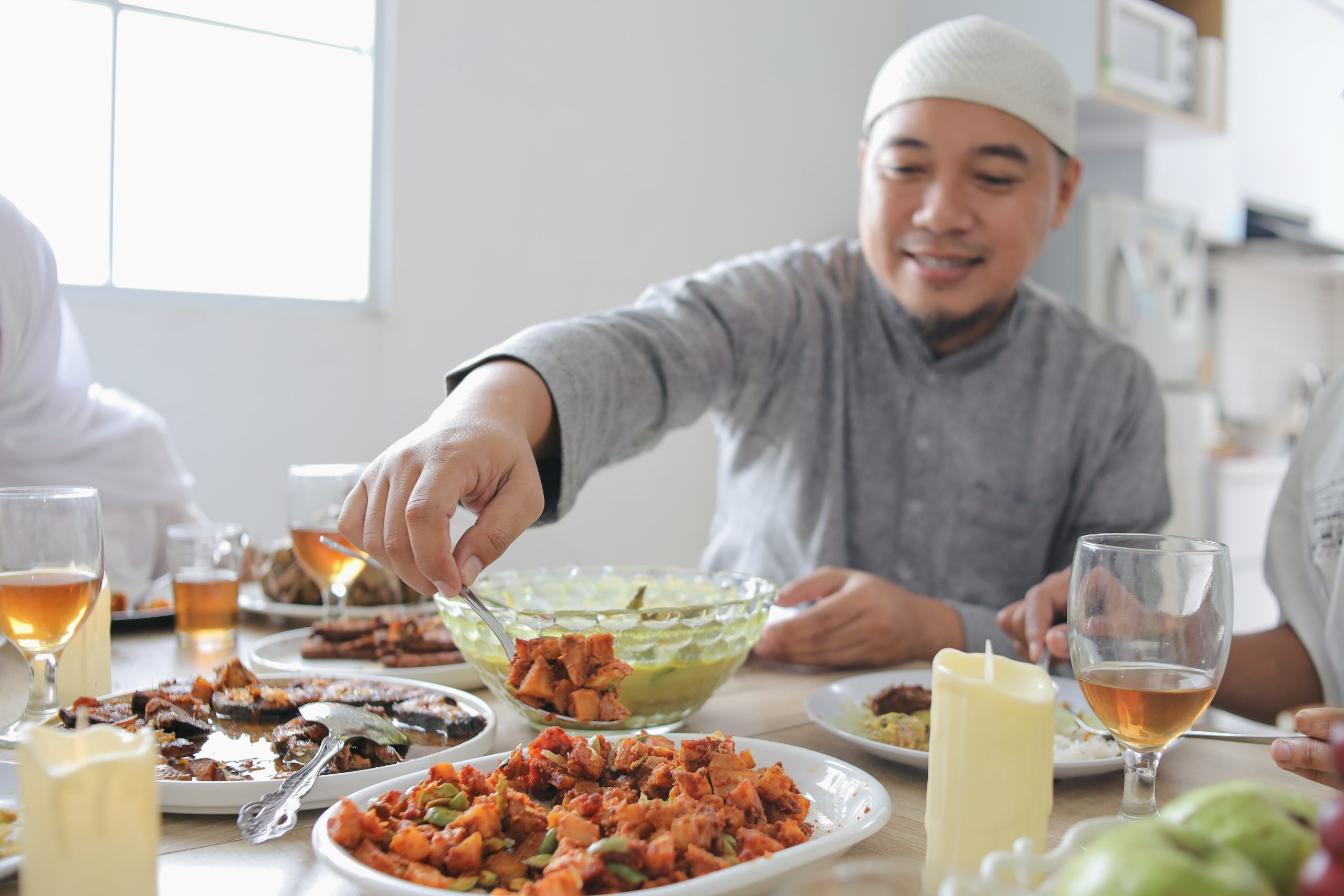

In today’s food industry, consumers are increasingly concerned with where their food comes from, how it is prepared, and whether it aligns with ethical and sustainable practices. For Muslim communities, Zabiha standards go beyond religious compliance — they also emphasize humane, ethical, and responsible food preparation. Professional caterers who follow Zabiha guidelines ensure that food is prepared not only according to Islamic law but also with ethical integrity.
This article explores how Zabiha standards support ethical food preparation and why they matter in modern catering.
Understanding Zabiha Standards
Zabiha, in Arabic, means “properly slaughtered” and refers to meat that is processed according to Islamic law. Zabiha standards include several key practices:
-
Slaughter by a Practicing Muslim: Only a Muslim performs the slaughter, invoking the name of Allah at the moment of slaughter.
-
Humane Treatment: The animal must be treated with respect and slaughtered swiftly to minimize suffering.
-
Proper Drainage of Blood: Blood is drained completely, which is considered both hygienic and in accordance with religious law.
-
Certified Sourcing: Meat must come from verified Zabiha-certified suppliers to ensure authenticity.
Beyond the act of slaughter, Zabiha standards extend to how meat is stored, prepared, and served in kitchens, maintaining ethical and hygienic practices throughout the food chain.
Ethical Principles Behind Zabiha Catering
Zabiha standards are rooted in ethical principles that align closely with modern concepts of responsible food production:
1. Humane Treatment of Animals
Ethical food preparation begins with the treatment of animals. Zabiha emphasizes minimizing pain and distress, promoting humane slaughter techniques. This principle ensures that meat is sourced in a way that respects animal welfare, setting a benchmark for responsible food production.
2. Transparency and Accountability
Zabiha-certified meat comes with documentation from trusted suppliers. Caterers maintain transparency by providing proof of sourcing and ensuring the entire preparation process follows ethical and religious guidelines. This level of accountability reinforces trust with clients and guests.
3. Hygiene and Safety
Ethical food preparation also means ensuring the food is safe to consume. Zabiha caterers follow strict hygiene standards: separate kitchens for Zabiha and non-halal foods, sanitized utensils and cooking surfaces, and proper storage techniques. These measures protect consumers while upholding ethical responsibilities in food handling.
4. Respect for Consumer Beliefs
Serving Zabiha food demonstrates respect for religious practices and cultural values. Ethical preparation goes beyond meeting dietary requirements — it reflects a commitment to honoring the beliefs of those consuming the food.
How Professional Caterers Implement Zabiha Standards
Modern Zabiha catering integrates traditional religious principles with professional culinary practices to ensure ethical food preparation:
-
Certified Meat Suppliers: Partnering with trusted Zabiha-certified vendors ensures authenticity and ethical sourcing.
-
Dedicated Kitchen Protocols: Maintaining separate cooking areas and utensils prevents cross-contamination with non-halal foods.
-
Staff Training: Chefs and kitchen staff are trained to handle food according to both Zabiha standards and professional hygiene protocols.
-
Menu Flexibility: Caterers offer traditional, fusion, and contemporary dishes while adhering to ethical and religious requirements.
By combining ethical sourcing, proper slaughter, and hygienic food handling, Zabiha caterers ensure that every dish reflects integrity and responsibility.
Benefits of Following Zabiha Standards
-
Guest Confidence: Guests know they are eating ethically sourced, religiously compliant food.
-
Professional Reputation: Caterers who adhere to Zabiha standards gain trust and credibility within the community.
-
Consistency and Quality: Standardized Zabiha practices ensure that meals are consistently high quality and safe.
-
Appeal to Ethical Consumers: Beyond religious adherence, Zabiha practices resonate with guests who prioritize humane treatment and ethical food sourcing.
Applications in Modern Catering
Zabiha standards are essential across various types of events:
-
Weddings: Large celebrations require reliable, ethically prepared meat for hundreds of guests.
-
Corporate Events: Businesses offering Zabiha meals demonstrate inclusivity and ethical responsibility.
-
Family Gatherings: Birthdays, anniversaries, and home celebrations benefit from careful, ethical meal preparation.
-
Community Events: Schools, mosques, and nonprofit functions rely on Zabiha standards to ensure inclusivity and ethical food service.
Conclusion
Zabiha standards do more than satisfy religious requirements — they set the benchmark for ethical food preparation. From humane treatment of animals to transparent sourcing, strict hygiene, and respect for cultural beliefs, Zabiha catering ensures that food is prepared responsibly and safely.
Professional caterers who follow these standards not only provide peace of mind for guests but also enhance their reputation and credibility. By integrating Zabiha practices into modern catering, businesses can deliver meals that are ethical, high-quality, and compliant with Islamic dietary law — creating dining experiences that are both memorable and morally responsible