



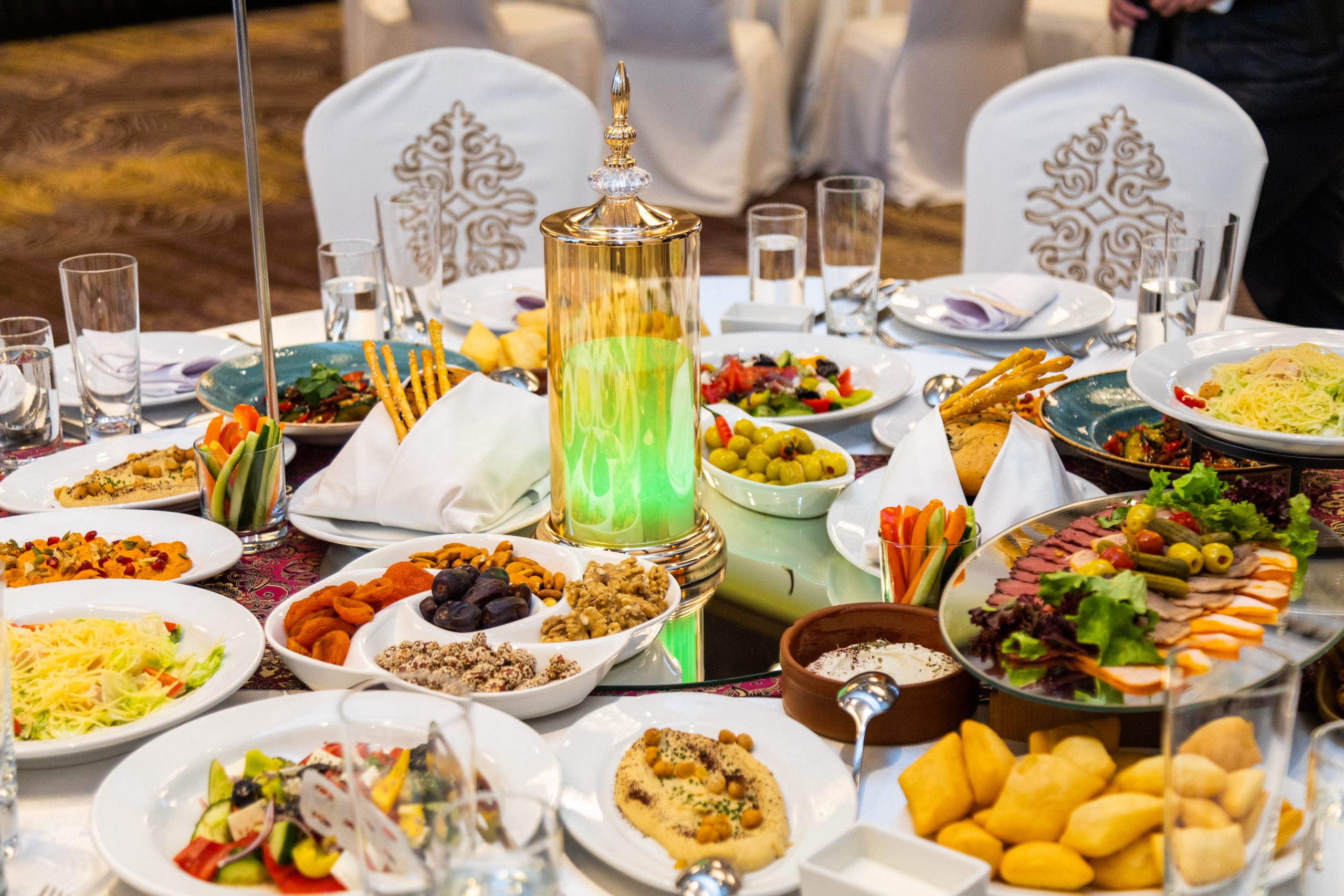
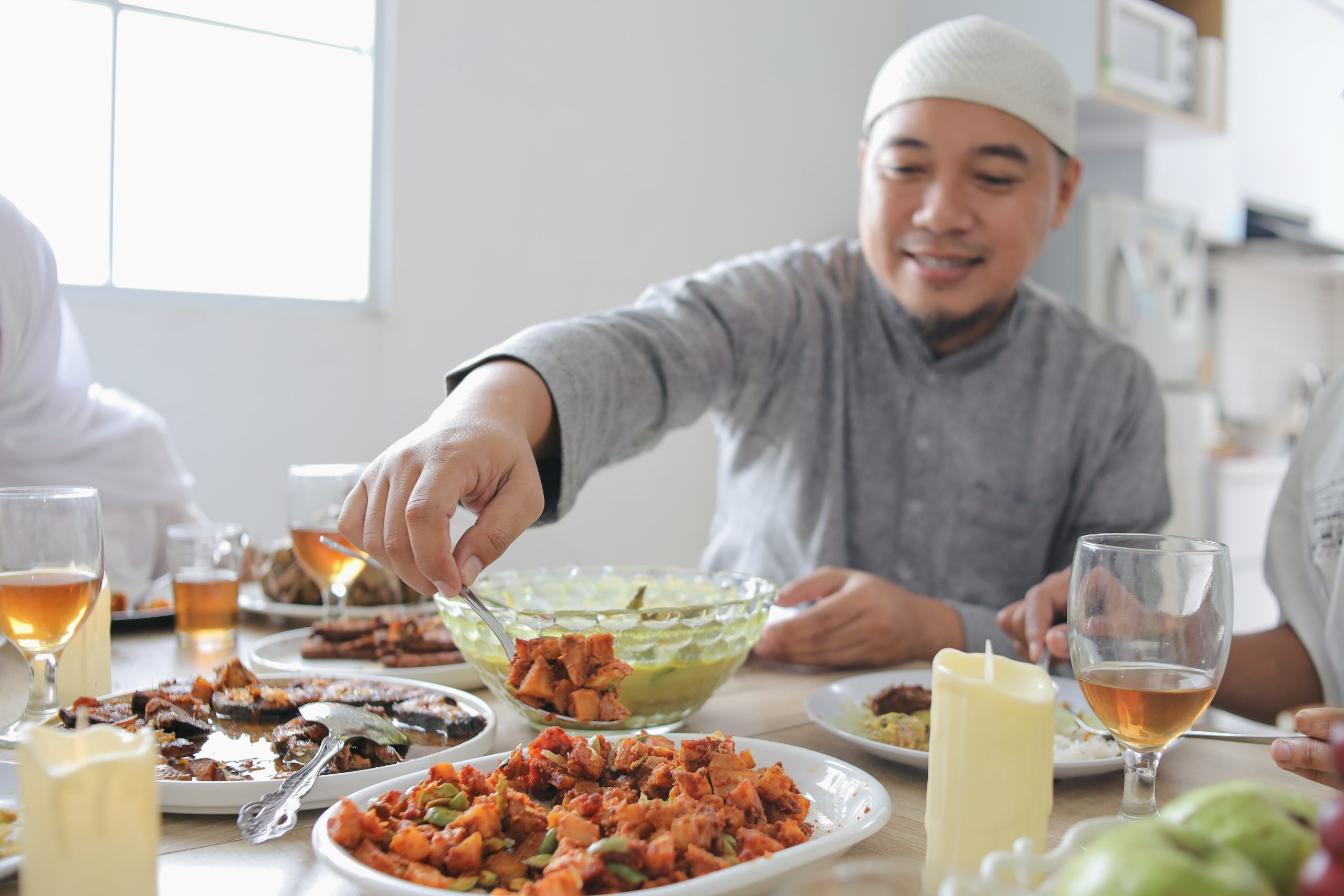

Planning a menu for an event is always a balancing act, especially when serving a diverse group of guests. For Muslim audiences, Zabiha-certified meat ensures religious compliance, but thoughtful catering goes beyond that—it must also consider cultural preferences and dietary needs. Customizing a Zabiha menu to accommodate these factors not only enhances guest satisfaction but also demonstrates respect, inclusivity, and attention to detail.
This article explores strategies for creating culturally sensitive and diet-conscious Zabiha menus for weddings, corporate events, family gatherings, and community celebrations.
Why Cultural and Dietary Customization Matters
Guests attend events with expectations not only for quality food but also for dishes that align with their personal or cultural traditions. Custom Zabiha menus:
-
Respect Cultural Preferences: Incorporate traditional dishes from specific regions to make guests feel at home.
-
Accommodate Dietary Needs: Vegetarian, vegan, gluten-free, or low-spice options ensure inclusivity.
-
Enhance Guest Experience: Thoughtfully tailored menus demonstrate care and increase satisfaction.
-
Reduce Waste: When food aligns with guests’ tastes, more of it is enjoyed and less is discarded.
By combining Zabiha meat with a careful consideration of cultural and dietary factors, hosts can create a memorable dining experience for all attendees.
Understanding Guest Profiles
Effective customization starts with understanding your audience:
-
Cultural Backgrounds: South Asian, Middle Eastern, or Western guests may have specific flavor and dish expectations.
-
Dietary Restrictions: Identify vegetarians, vegans, and guests with allergies or religious dietary laws beyond Zabiha.
-
Age and Preferences: Older guests might prefer milder dishes, while younger attendees may enjoy fusion or modern flavors.
-
Meal Size and Presentation Preferences: Some guests prefer smaller portions, plated meals, or family-style servings.
Gathering this information in advance allows caterers to plan menus that are both satisfying and inclusive.
Key Components of a Custom Zabiha Menu
1. Zabiha Meat Selection
Zabiha-certified meats form the centerpiece of the menu:
-
Chicken: Offer Karahi, Butter Chicken, or grilled Tandoori Chicken.
-
Lamb/Mutton: Options like Mutton Biryani, Rogan Josh, or Seekh Kebabs reflect traditional flavors.
-
Beef: Beef Korma or stews for variety.
Providing a range of proteins ensures guests can enjoy dishes aligned with their tastes.
2. Culturally Relevant Vegetarian Options
Vegetarian options should reflect the cultural context of the event:
-
South Asian Guests: Paneer Butter Masala, Dal Makhani, or Vegetable Biryani.
-
Middle Eastern Guests: Stuffed vegetables, falafel, or lentil-based dishes.
-
General Options: Seasonal vegetable curries and fresh salads complement the main dishes.
Thoughtful vegetarian selections cater to cultural practices, dietary restrictions, and personal preferences.
3. Sides, Breads, and Rice
Accompaniments should balance proteins and appeal to different tastes:
-
Rice Dishes: Saffron rice, plain basmati, pulao, or biryani.
-
Breads: Naan, paratha, roti, or specialty flatbreads.
-
Condiments and Chutneys: Mint chutney, tamarind sauce, pickles, or raita add flavor and personalization.
Selecting the right combination ensures harmony between dishes while reflecting cultural nuances.
4. Desserts and Beverages
Desserts and beverages are important for cultural and dietary accommodation:
-
Traditional Desserts: Gulab Jamun, Kheer, or Baklava, depending on regional preferences.
-
Modern or Health-Conscious Options: Mini cakes, mousse, fruit cups, or low-sugar sweets.
-
Beverages: Offer tea, coffee, juices, and infused water. Cater to preferences for caffeine-free or sugar-free options.
Including a mix ensures all guests find something they enjoy while respecting dietary limitations.
Tips for Cultural & Dietary Menu Success
-
Label Dishes Clearly: Indicate Zabiha meat, vegetarian, vegan, and allergen-free options.
-
Balance Flavors: Provide mild, medium, and spiced dishes to satisfy a range of palates.
-
Incorporate Traditional and Modern Elements: Fusion dishes can appeal to younger guests while honoring cultural traditions.
-
Engage a Professional Caterer: Experienced Zabiha caterers can guide menu planning and preparation based on guest demographics.
-
Consider Presentation and Portioning: Attractive plating and well-sized servings enhance appeal and convenience.
Conclusion
Cultural and dietary custom Zabiha menu planning ensures that every guest at an event feels considered, comfortable, and satisfied. By combining ethically sourced Zabiha meat with culturally relevant vegetarian options, complementary sides, and desserts that cater to dietary needs, hosts can create a thoughtful and memorable dining experience.
Whether for weddings, corporate functions, family gatherings, or community celebrations, a custom Zabiha menu that respects cultural preferences and dietary restrictions enhances inclusivity, demonstrates care, and elevates the event. Thoughtful planning transforms ordinary meals into extraordinary experiences that guests will remember long after the event concludes.