


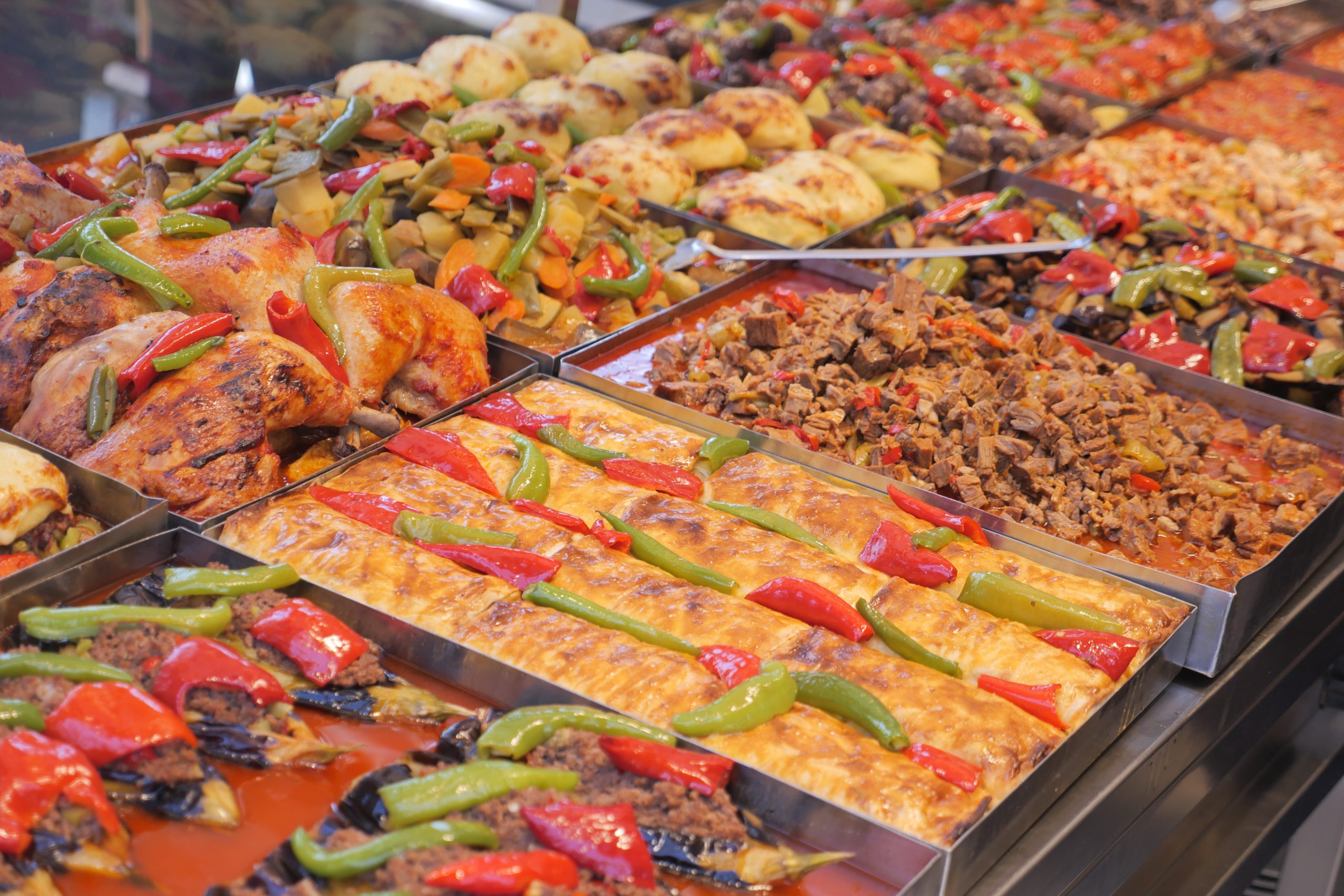
In professional catering, serving high-quality food is just one part of creating a successful event. For Muslim clients and communities, adherence to Zabiha practices is equally, if not more, important. Zabiha catering ensures that meals comply with Islamic dietary laws while maintaining ethical and hygienic standards.
This article explores why Zabiha practices are essential in professional catering, how they benefit both clients and caterers, and why they have become a key consideration in modern event planning.
What Are Zabiha Practices?
Zabiha practices refer to the proper method of slaughtering and preparing meat according to Islamic law. For meat to be considered Zabiha:
-
The slaughter must be performed by a practicing Muslim.
-
The name of Allah must be invoked during slaughter.
-
The animal must be treated humanely, with a swift and precise cut.
-
Blood must be thoroughly drained, and the meat handled hygienically.
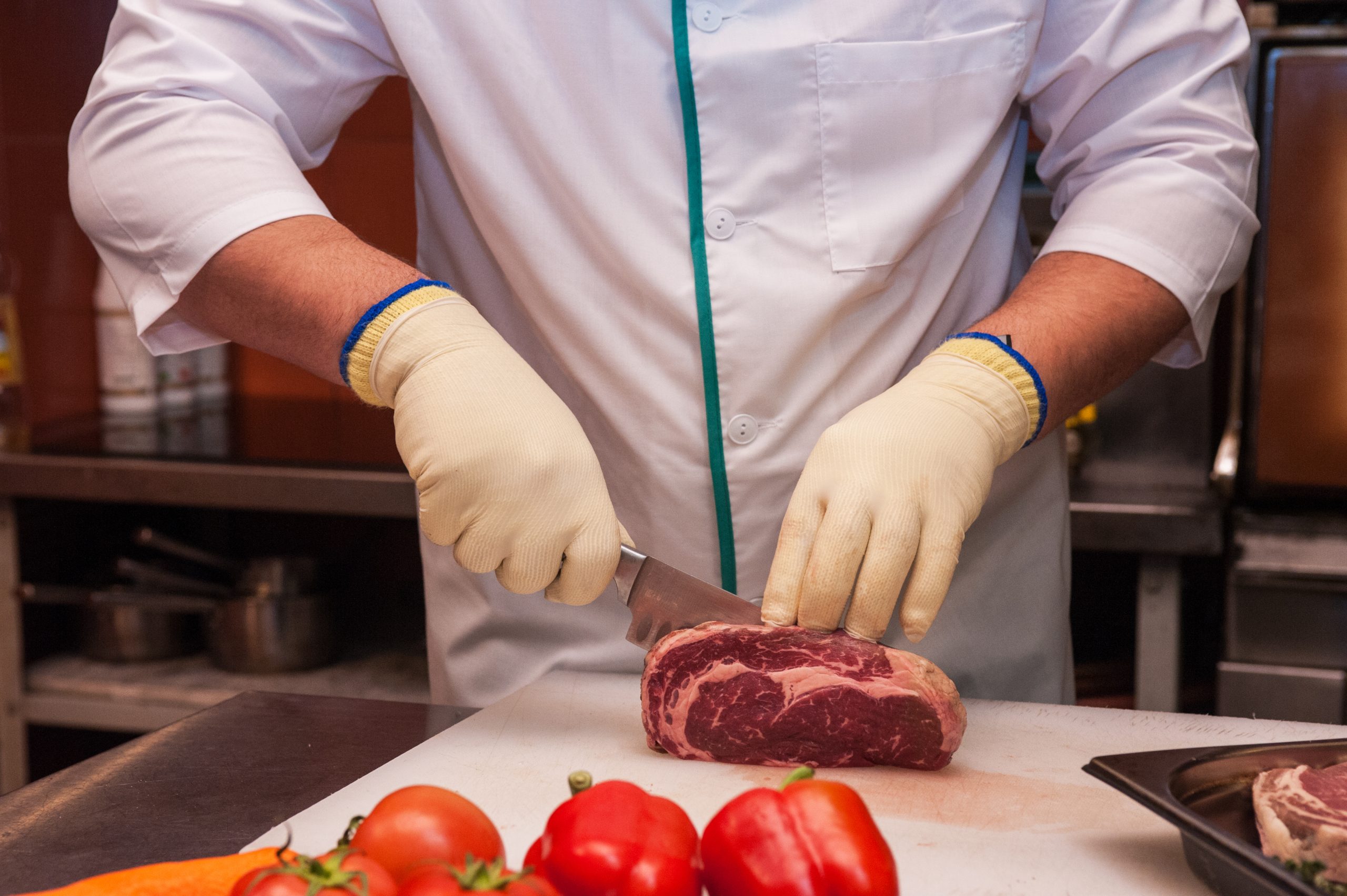
Zabiha practices extend beyond the act of slaughter. Professional Zabiha caterers maintain strict kitchen protocols to prevent contamination, source certified meat, and ensure that all preparation steps comply with Islamic dietary requirements.
Why Zabiha Practices Matter in Catering
1. Ensuring Religious Compliance
For many Muslim clients, the faith-based aspect of Zabiha is non-negotiable. Serving meals that meet these standards allows guests to eat with confidence, knowing that every dish respects Islamic guidelines. Failure to comply can lead to mistrust and dissatisfaction, especially in events like weddings, corporate gatherings, or community programs.
2. Promoting Ethical Food Practices
Zabiha emphasizes humane treatment of animals, responsible sourcing, and ethical slaughter. By following these standards, professional caterers align their operations with ethical food practices that appeal not only to Muslim clients but also to ethically conscious consumers. This adds a layer of credibility and integrity to the catering service.
3. Building Trust with Clients
Trust is critical in professional catering, especially when serving diverse communities. Zabiha practices signal to clients that the caterer takes religious compliance seriously, maintains high-quality standards, and prioritizes the well-being of both animals and guests. This trust can lead to repeat business, referrals, and a strong reputation in the market.
How Professional Caterers Implement Zabiha Practices
Modern Zabiha catering integrates traditional principles with contemporary food service methods:
-
Certified Sourcing: Caterers work exclusively with verified Zabiha meat suppliers who provide documentation and inspection reports.
-
Separate Preparation Areas: Kitchens are organized to prevent cross-contamination with non-halal foods, ensuring all dishes remain compliant.
-
Trained Staff: Chefs and kitchen staff are educated about Zabiha standards, proper food handling, and hygiene protocols.
-
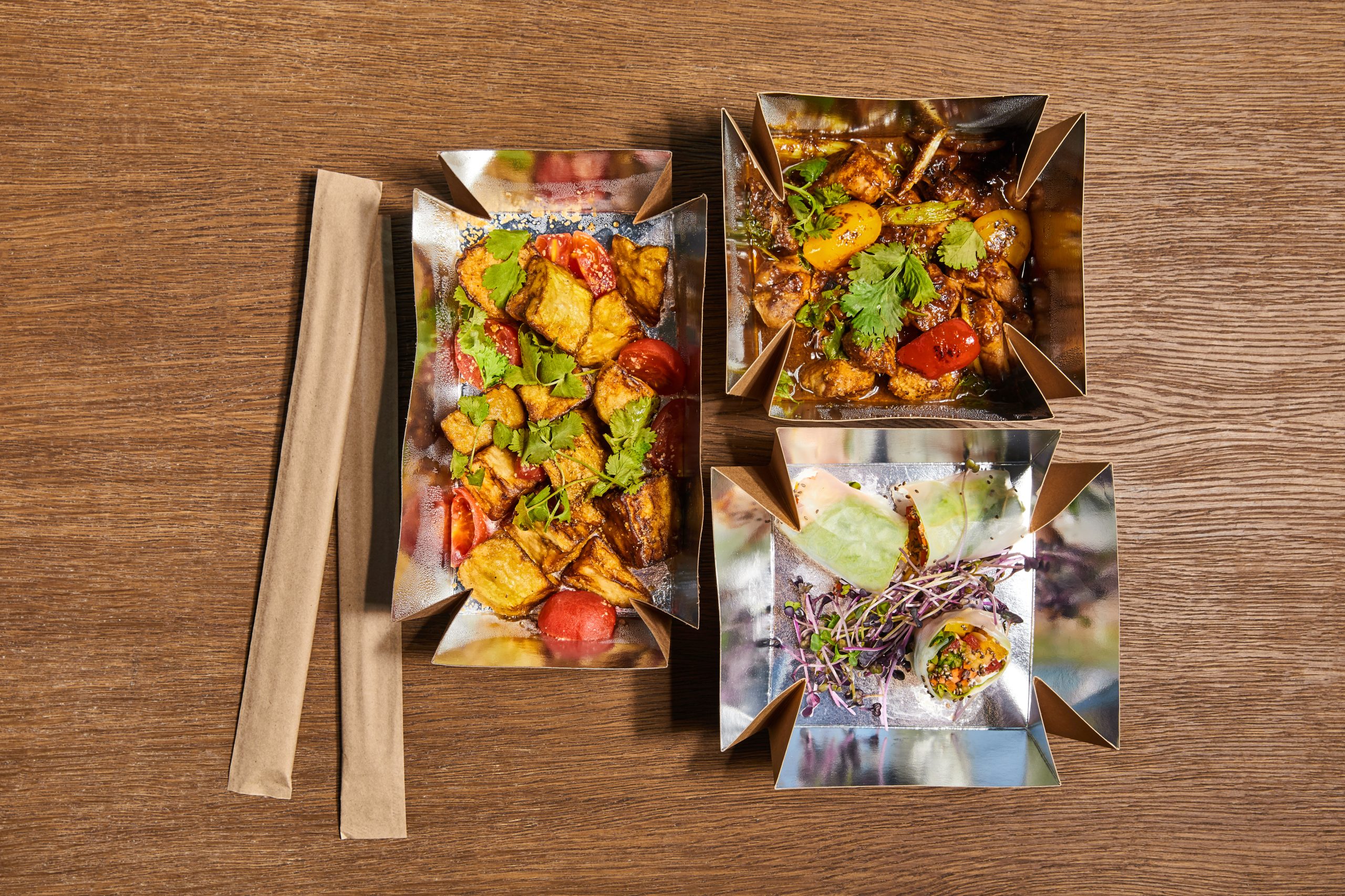
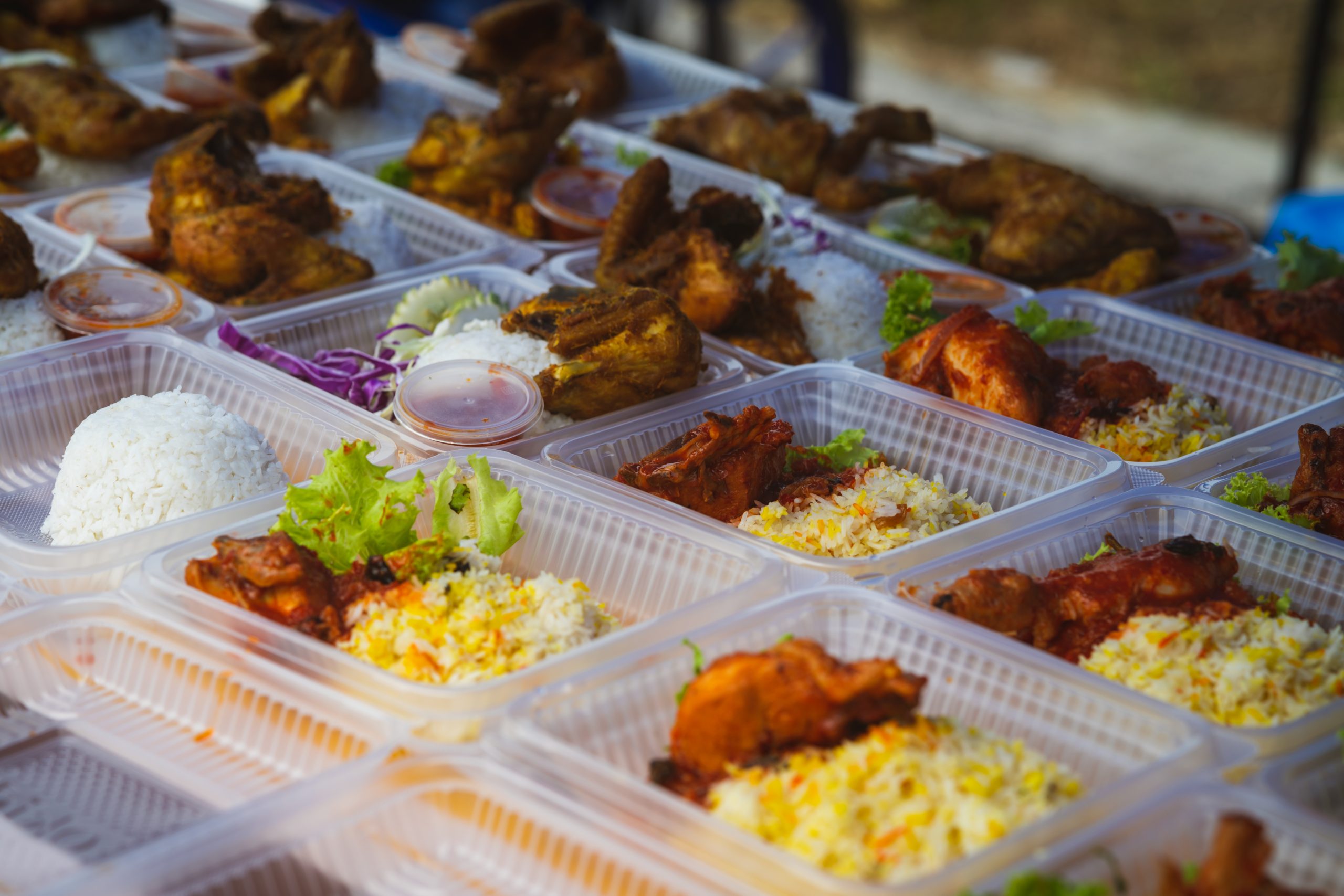
Menu Customization: Caterers offer diverse cuisines — from South Asian biryanis to Middle Eastern shawarma, fusion dishes, and live cooking stations — while strictly following Zabiha practices.
These measures allow professional caterers to provide both authenticity and variety, meeting modern culinary expectations without compromising religious standards.
Benefits of Following Zabiha Practices
-
Consistency in Quality: Adhering to verified Zabiha standards ensures that every dish served is safe, hygienic, and of high quality.
-
Guest Satisfaction: When guests know that meals are authentically Zabiha, they feel respected and valued, enhancing the overall dining experience.
-
Professional Reputation: Caterers who consistently follow Zabiha practices build credibility and trust among clients and within the community.
-
Market Differentiation: Offering certified Zabiha catering allows businesses to stand out in a competitive market, appealing to faith-conscious and ethically minded clients.
Common Applications in Modern Events
-
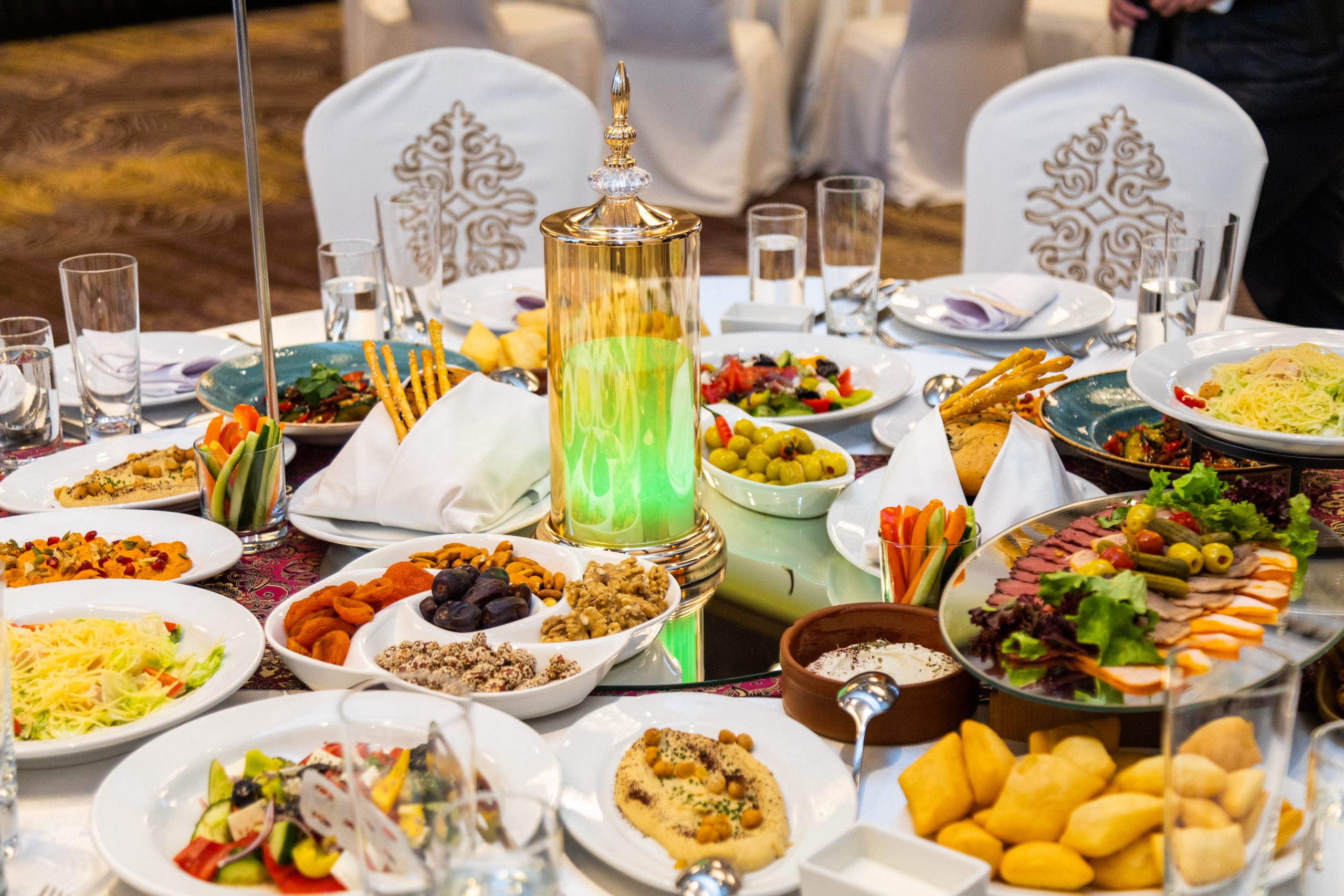
Weddings and Receptions: Large-scale events often require reliable Zabiha catering for hundreds of guests.
-
Corporate and Business Functions: Offices and organizations increasingly include Zabiha-certified options for Muslim employees and clients.
-
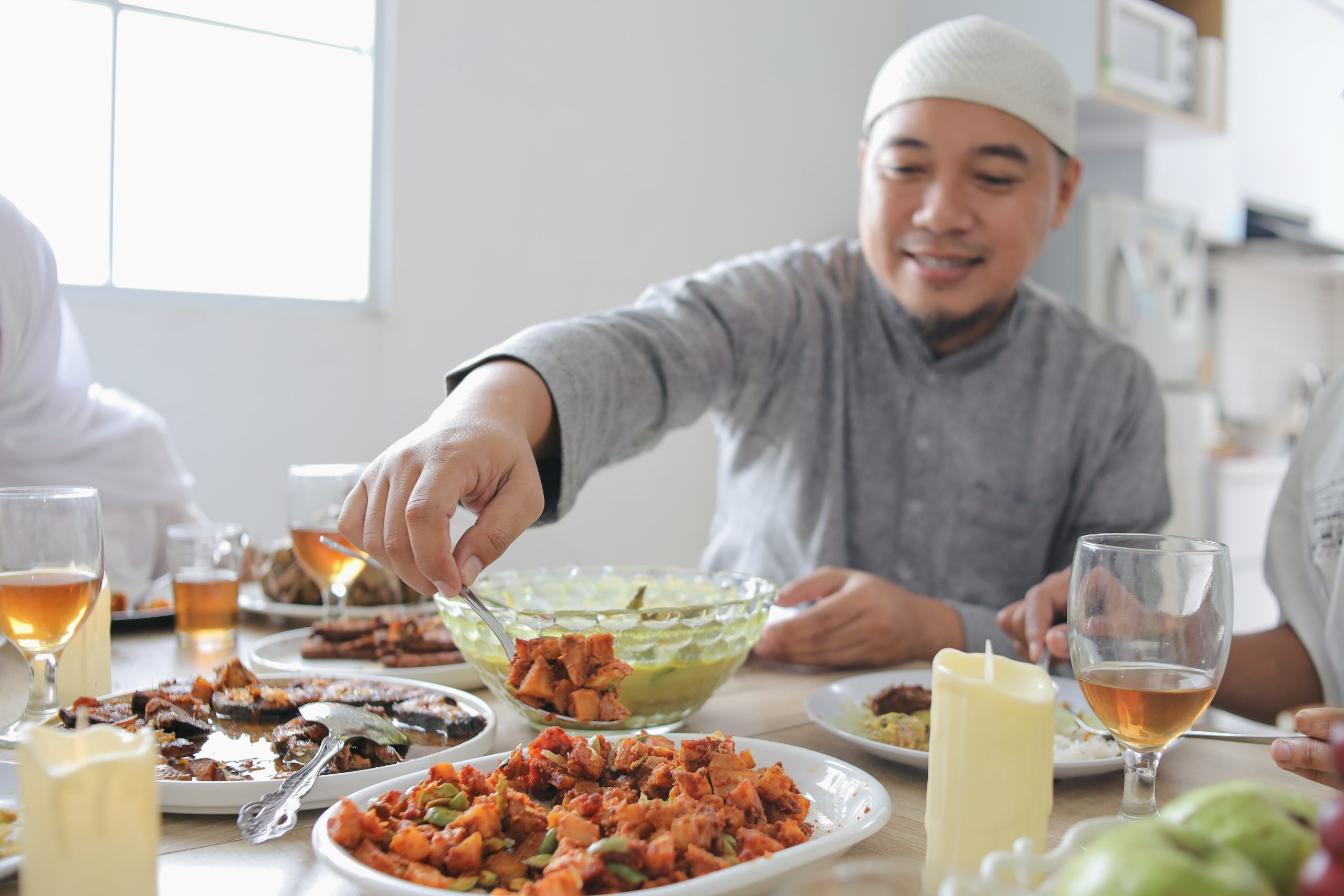
Family Gatherings: Private parties, birthdays, and home celebrations benefit from Zabiha-compliant menus.
-
Community and Religious Events: Schools, mosques, and nonprofit functions rely on Zabiha catering to ensure inclusivity and adherence to dietary laws.
Conclusion
Zabiha practices are more than religious requirements; they are a benchmark for ethical, hygienic, and professional catering. Following these standards ensures that meals are authentic, high-quality, and suitable for all guests, particularly those observing Islamic dietary laws.
Professional caterers who implement Zabiha practices gain the trust of clients, enhance their reputation, and meet the evolving expectations of modern events. By combining faith-based compliance with culinary creativity, Zabiha catering provides an exceptional dining experience that is respectful, ethical, and memorable.
Whether for weddings, corporate events, or community functions, integrating Zabiha practices into catering is essential for professionalism, guest satisfaction, and long-term success in the catering industry.