



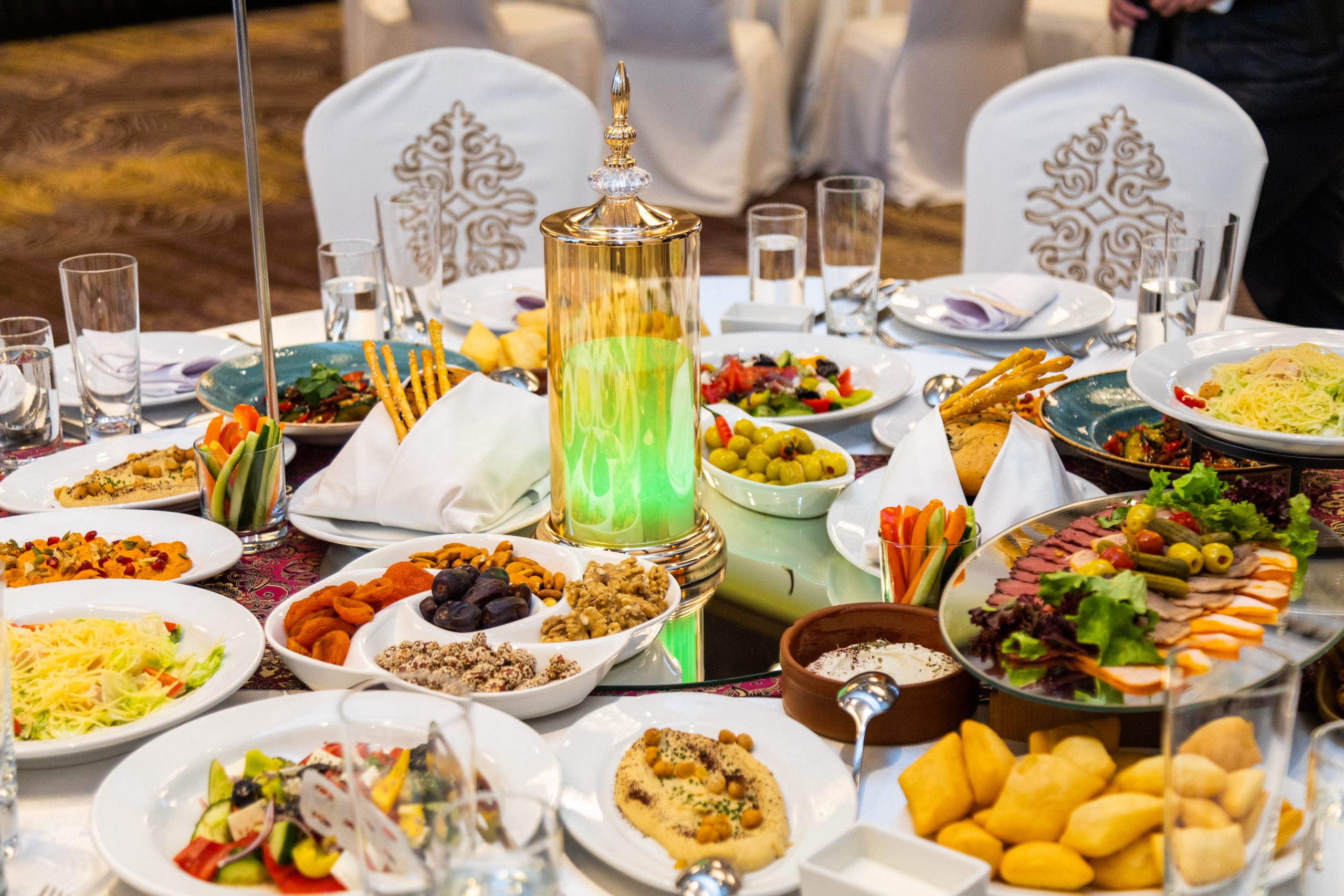


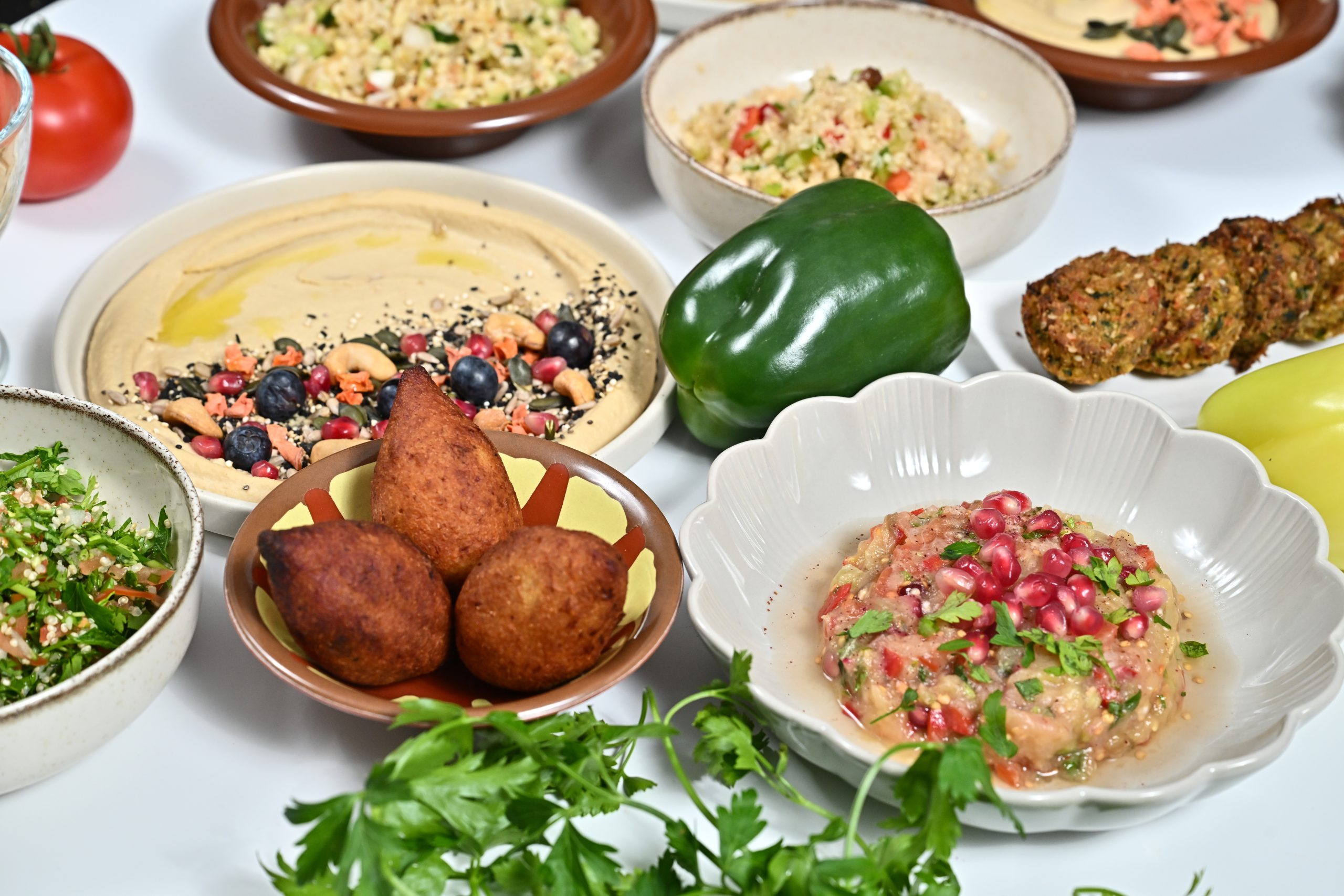
Middle Eastern cuisine is renowned for its rich flavors, aromatic spices, and vibrant presentation, making it a popular choice for catering events. For Muslim communities, Zabiha-certified Middle Eastern dishes ensure that meals are not only delicious but also compliant with Islamic dietary laws. Whether for weddings, corporate gatherings, family celebrations, or community events, traditional Middle Eastern Zabiha foods create a memorable dining experience.
This guide explores the most popular Middle Eastern Zabiha dishes that caterers can serve at special events, along with tips on presentation and menu planning.
Why Middle Eastern Zabiha Cuisine Is Popular
Middle Eastern cuisine has universal appeal due to its bold flavors, variety of dishes, and focus on fresh ingredients. Key factors that make Zabiha Middle Eastern food a favorite include:
-
Religious Compliance: Zabiha-certified meat ensures that all meat dishes follow Islamic dietary law, offering peace of mind for guests.
-
Flavorful Variety: Grilled meats, aromatic rice, savory stews, and fresh salads create a balanced menu suitable for diverse palates.
-
Cultural Authenticity: Traditional dishes connect guests with the rich culinary heritage of the Middle East, enhancing the event’s authenticity.
Must-Have Middle Eastern Zabiha Dishes for Events
1. Kebabs and Grilled Meats
Grilled Zabiha meats are central to Middle Eastern cuisine. Popular options include:
-
Shish Kebabs: Skewered Zabiha meat, marinated with spices and grilled to perfection.
-
Koobideh: Ground meat kebabs seasoned with onions, garlic, and Middle Eastern spices.
-
Lamb Chops: Tender, marinated lamb chops that are juicy and flavorful.
Catering Tip: Live grilling stations allow guests to enjoy fresh, hot kebabs while adding an interactive element to the event.
2. Rice and Grain Dishes
Rice and grains often accompany main dishes, adding texture and flavor:
-
Basmati or Persian Rice: Fragrant, saffron-infused rice that complements meat dishes.
-
Mujadara: Lentils and rice seasoned with caramelized onions for a vegetarian-friendly option.
-
Pilafs: Aromatic rice with nuts and dried fruits, perfect for buffets and formal events.
3. Stews and Tagines
Hearty stews are a signature of Middle Eastern cuisine and provide comfort and depth of flavor:
-
Lamb Tagine: Slow-cooked lamb with vegetables, spices, and sometimes dried fruits.
-
Chicken Stews: Tomato-based or yogurt-based stews infused with garlic, ginger, and Middle Eastern herbs.
These dishes are ideal for large events because they can be prepared in advance and kept warm for buffet-style service.
4. Mezze and Appetizers
Small plates, or mezze, are perfect for starting events or providing variety:
-
Hummus: Creamy chickpea dip, often served with pita bread.
-
Baba Ganoush: Smoky roasted eggplant dip with tahini and olive oil.
-
Falafel: Crispy, spiced chickpea balls that appeal to vegetarians.
Offering a mix of meat-based and vegetarian mezze ensures all guests are satisfied.
5. Breads and Accompaniments
Middle Eastern meals often include fresh bread to complement main dishes:
-
Pita Bread: Soft and versatile, perfect for scooping dips and sauces.
-
Flatbreads: Light and fluffy, ideal for pairing with stews and kebabs.
6. Desserts
Desserts add a sweet finish and cultural authenticity:
-
Baklava: Layers of phyllo dough, nuts, and syrup for a rich, crunchy treat.
-
Ma’amoul: Date or nut-filled shortbread cookies.
-
Kunafa: Cheese-based dessert topped with syrup and pistachios, visually striking for special occasions.
Planning Tips for Middle Eastern Zabiha Catering
-
Verify Zabiha Certification: Ensure all meat is sourced from trusted suppliers to maintain religious compliance.
-
Menu Variety: Include both meat and vegetarian options to cater to diverse guests.
-
Presentation: Serve dishes in decorative trays, garnish with herbs or nuts, and clearly label dishes for clarity.
-
Temperature Control: Keep hot dishes warm and dips chilled to maintain quality.
-
Interactive Elements: Live cooking or carving stations for kebabs or meats can enhance the event experience.
Conclusion
Traditional Middle Eastern Zabiha cuisine offers a combination of bold flavors, cultural richness, and religious compliance that makes it ideal for catering special events. From succulent kebabs and aromatic rice to hearty stews, mezze platters, and delicate desserts, these dishes provide a memorable dining experience for guests.
By combining authentic preparation, ethical Zabiha sourcing, and elegant presentation, caterers can deliver Middle Eastern cuisine that satisfies the palate while respecting Islamic dietary laws. Whether for weddings, corporate functions, or community gatherings, Middle Eastern Zabiha catering remains a reliable and crowd-pleasing choice.