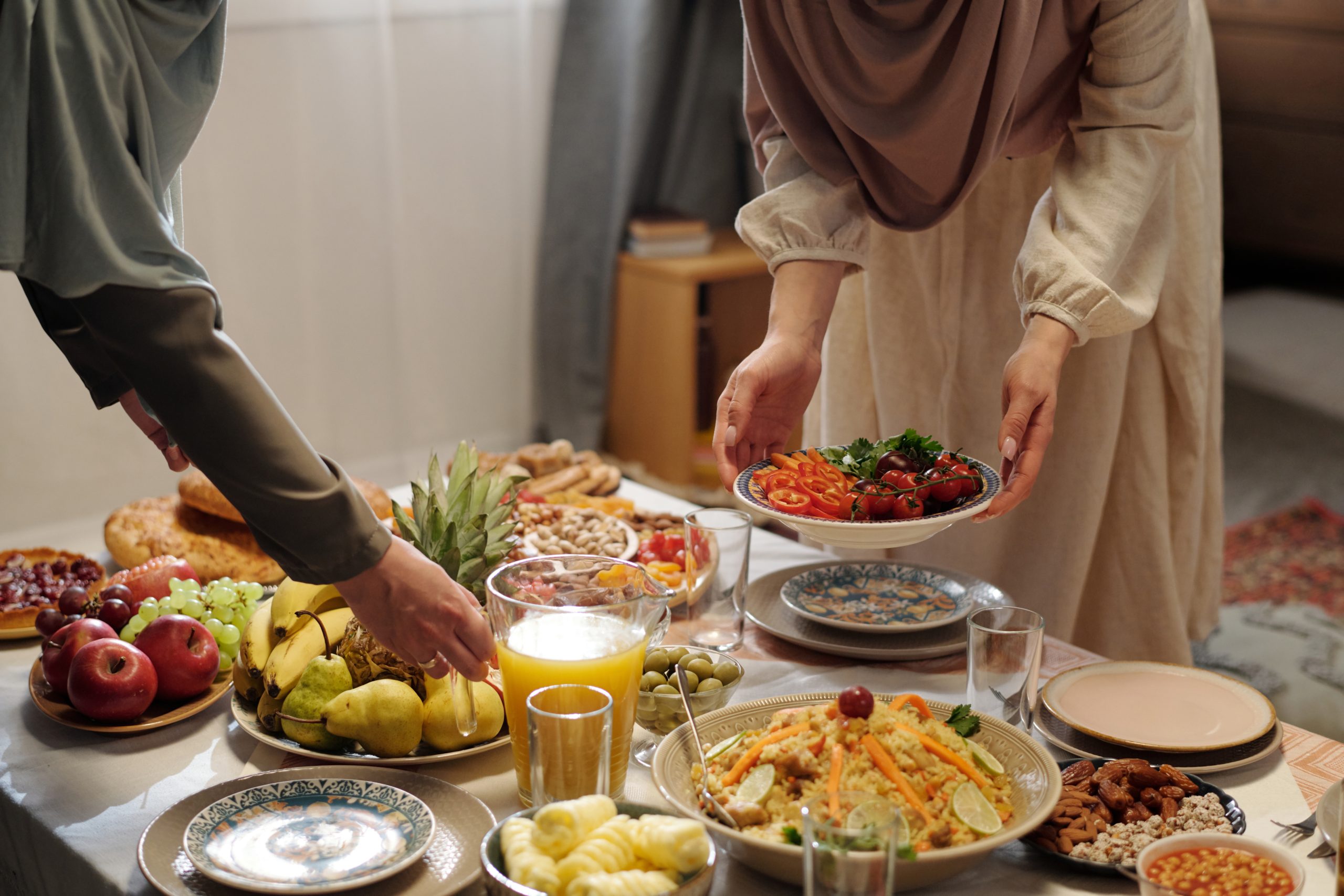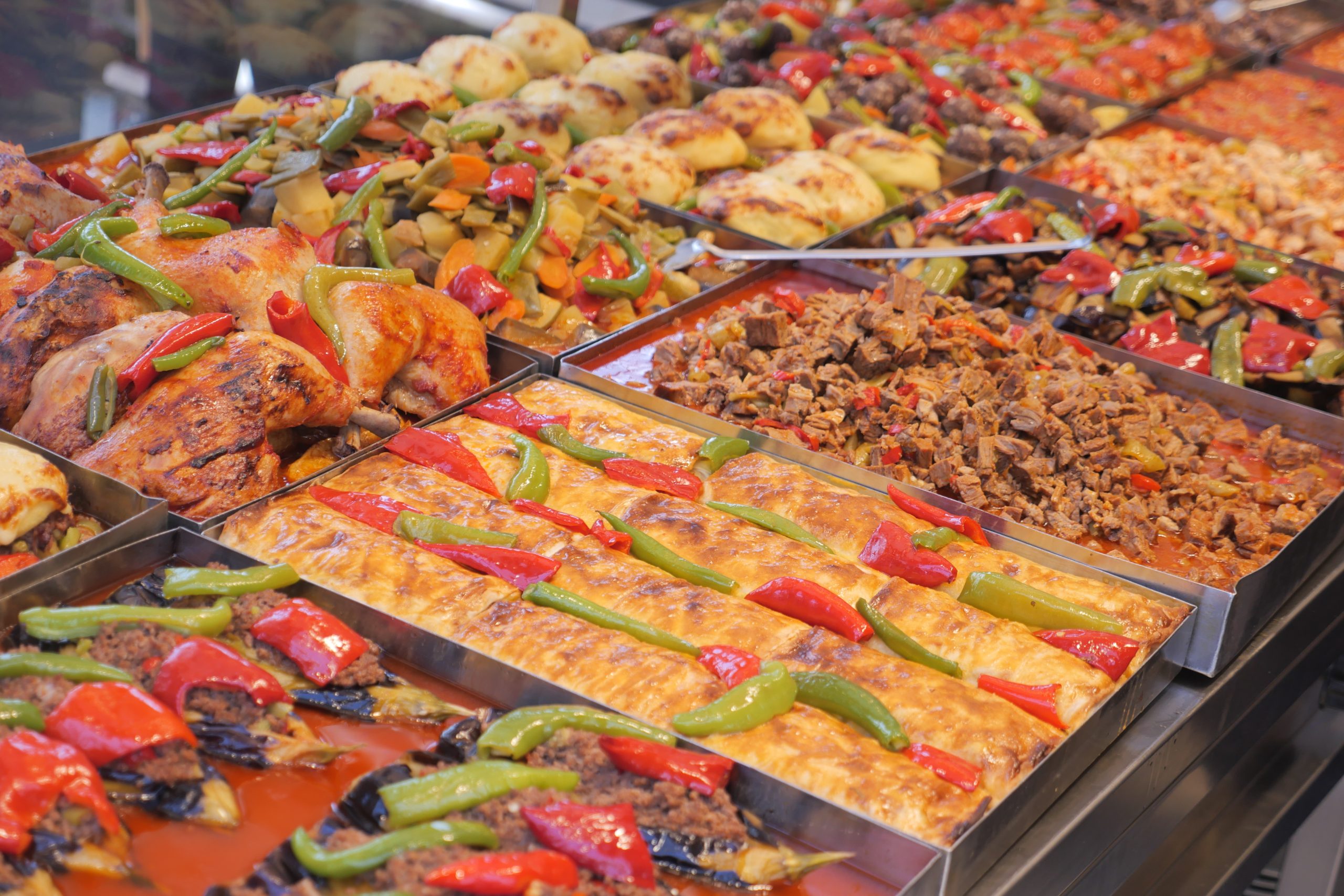



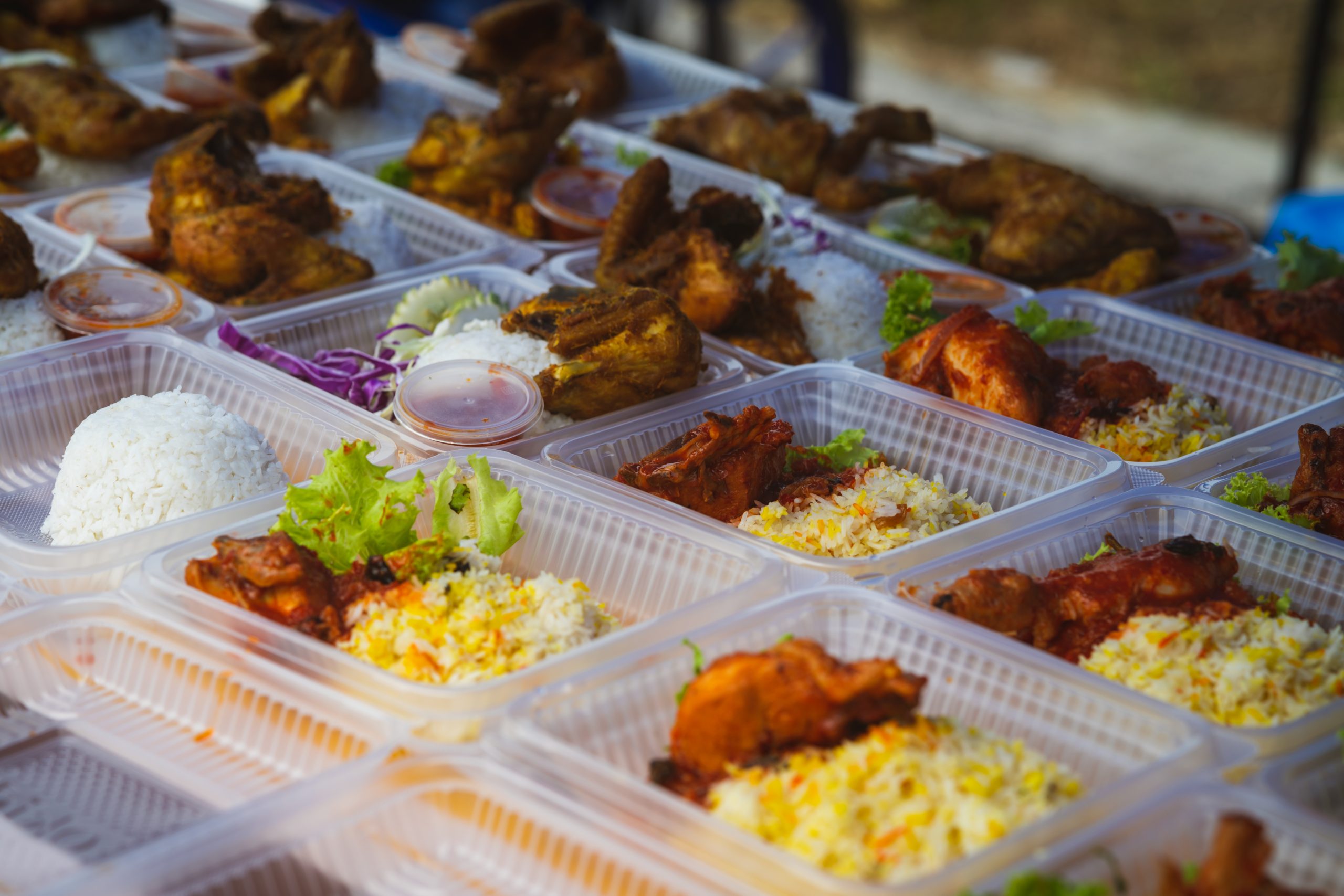

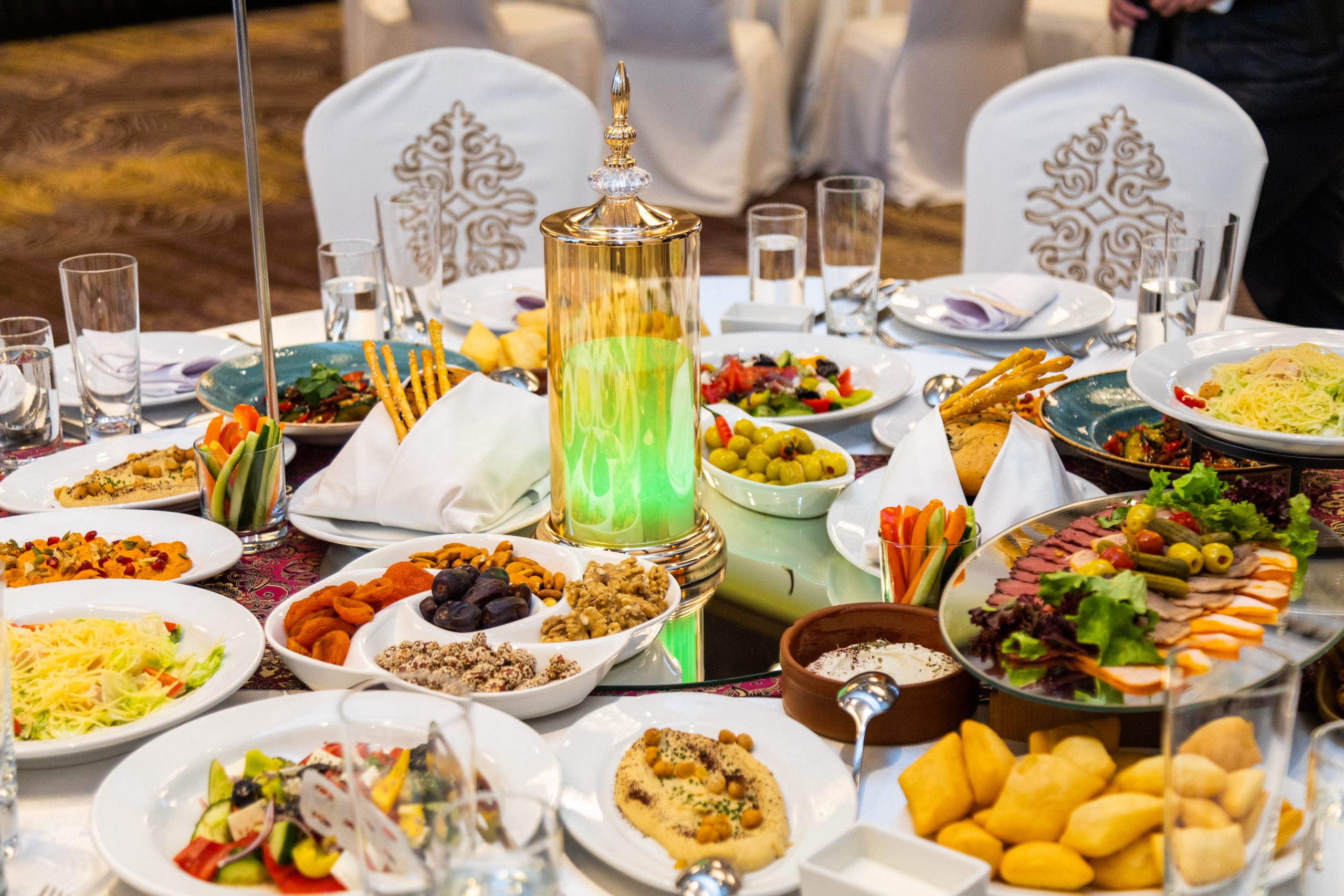
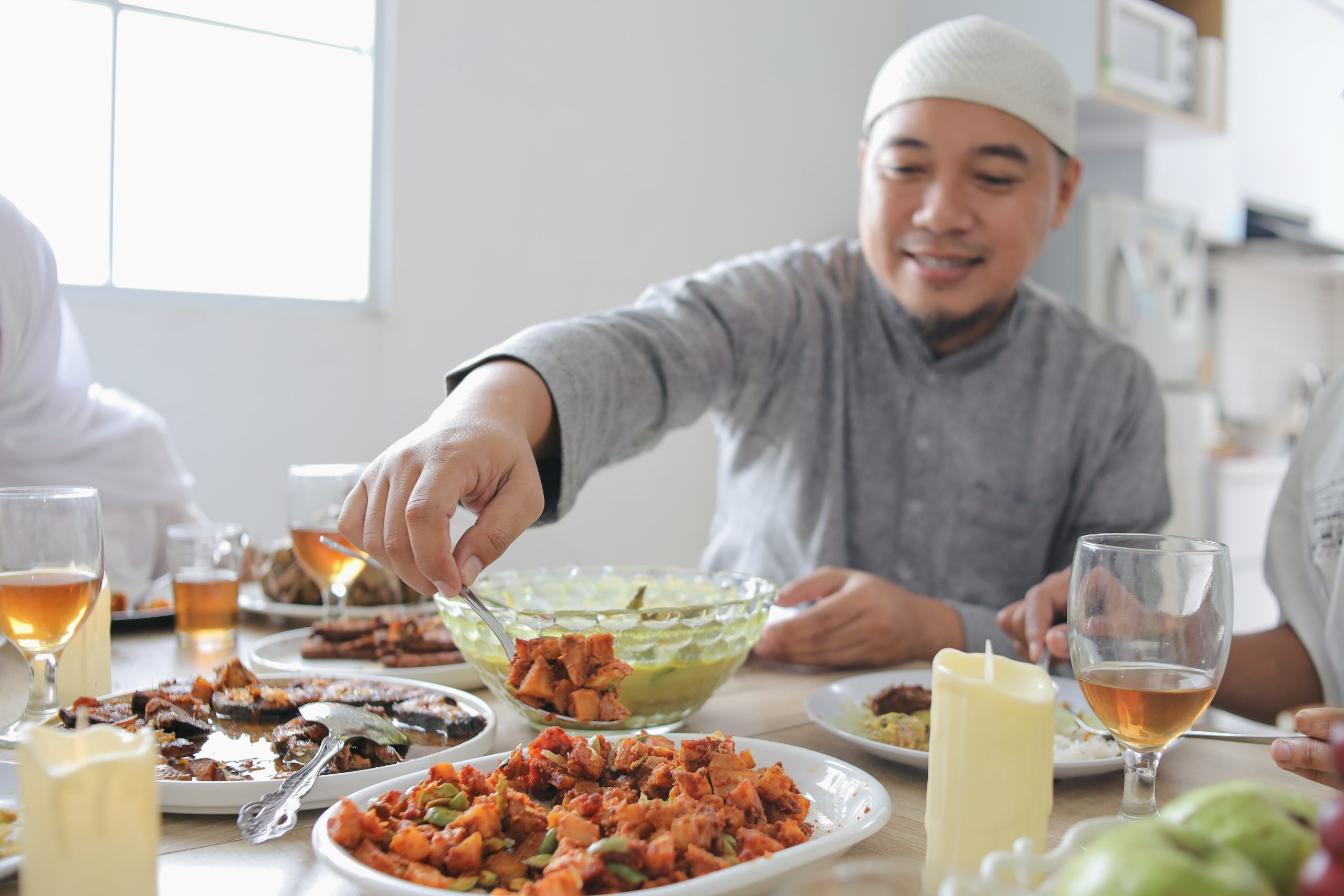

Planning a large wedding comes with countless details, and catering is one of the most critical components. For Muslim weddings, ensuring that the food is Zabiha-certified is essential to maintain religious compliance while delivering a high-quality, memorable dining experience. Managing Zabiha catering for large gatherings requires careful planning, efficient execution, and attention to both flavor and presentation.
This article provides a comprehensive guide to handling Zabiha catering for weddings with a large guest list, offering tips on menu planning, logistics, and service strategies.
Understanding Zabiha Requirements
Zabiha meat is sourced and prepared according to Islamic law, ensuring humane slaughter, proper blood drainage, and ethical standards. For large weddings, verifying that all meat is certified Zabiha is crucial to avoid any lapses in compliance. Key considerations include:
-
Trusted Suppliers: Work with reputable suppliers who can provide bulk quantities of Zabiha meat.
-
Proper Storage: Ensure cold storage and handling meet food safety standards to maintain quality.
-
Consistent Quality: All batches of meat should meet the same standards to ensure uniform flavor and safety.
By maintaining strict Zabiha standards, caterers protect both their reputation and the trust of the couple and guests.
Menu Planning for Large Weddings
A successful Zabiha wedding menu balances variety, dietary needs, and crowd-pleasing options:
1. Appetizers
For large gatherings, appetizers should be scalable and easy for guests to enjoy:
-
Kebabs and Skewers: Seekh kebabs, chicken tikka, and malai kebabs can be prepared in bulk and served in bite-sized portions.
-
Vegetarian Options: Paneer tikka, stuffed mushrooms, and samosas ensure inclusivity.
-
Presentation: Use large platters and multiple serving stations to minimize crowding and maintain visual appeal.
2. Main Courses
Main courses are the highlight of the menu and should include a mix of Zabiha meat, rice, and vegetarian dishes:
-
Biryani and Pulao: Large quantities of aromatic chicken or mutton biryani can be prepared and kept warm in insulated containers.
-
Curries and Stews: Mutton Rogan Josh, Chicken Karahi, and Butter Chicken are popular options that can be cooked in bulk.
-
Grilled Meats: Lamb chops, kebabs, and tandoori items provide variety and visual appeal.
-
Vegetarian Main Courses: Dal makhani, paneer butter masala, and vegetable curries accommodate diverse dietary preferences.
3. Rice and Bread
Rice and breads are essential staples that complement the main dishes:
-
Rice Options: Basmati, saffron, and jeera rice pair well with meat and curries.
-
Bread: Naan, garlic naan, parathas, and rotis ensure guests can enjoy curries and gravies fully.
4. Side Dishes and Salads
Sides add freshness and balance to the rich flavors of main courses:
-
Raita and Yogurt-Based Salads: Cooling cucumber-tomato raita refreshes the palate.
-
Pickles and Chutneys: Mango chutney, mint chutney, and lime pickles complement main dishes.
-
Fresh Salads: Mixed greens and lightly dressed vegetables provide a lighter option for guests.
5. Desserts
Desserts complete the meal and leave a lasting impression:
-
Traditional Options: Gulab jamun, jalebi, and kheer.
-
Modern Twists: Mini cakes, fusion puddings, or layered desserts add elegance and variety.
-
Dessert Stations: Consider buffet-style or interactive stations for large weddings to reduce lines and maintain flow.
Logistics for Large-Scale Zabiha Catering
Managing large-scale catering involves strategic planning and organization:
-
Advance Ordering: Ensure Zabiha meat is ordered well ahead of the event to avoid shortages.
-
Staffing: Hire sufficient chefs, servers, and assistants to maintain efficient service.
-
Equipment: Use insulated warmers, chafing dishes, and large cooking vessels to keep food at proper temperatures.
-
Flow of Service: Multiple serving stations reduce wait times and prevent overcrowding.
-
Quality Control: Assign staff to monitor food quality, portion sizes, and replenishment throughout the event.
Presentation Tips for Large Weddings
Even in large gatherings, presentation matters:
-
Decorative Platters and Tiered Displays: Add visual elegance to buffet tables.
-
Garnishes and Colorful Ingredients: Fresh herbs, edible flowers, and sauces enhance appeal.
-
Labeling: Clearly label dishes as Zabiha and indicate vegetarian options to guide guests.
Benefits of Properly Managed Zabiha Catering
-
Guest Satisfaction: Smooth service and high-quality food ensure a memorable experience.
-
Religious Compliance: Verified Zabiha meat reassures guests that dietary standards are respected.
-
Professional Reputation: Efficient, high-quality catering reflects positively on the couple and caterer.
-
Reduced Stress: Well-planned logistics prevent last-minute issues and allow hosts to enjoy the celebration.
Conclusion
Managing Zabiha catering for large wedding gatherings requires a combination of planning, organization, and attention to detail. From verifying meat sources to designing a balanced menu and ensuring smooth service, each element contributes to a successful dining experience.
By offering a variety of Zabiha-certified dishes, maintaining high-quality preparation, and presenting food elegantly, caterers can deliver a memorable and ethically compliant wedding feast. Large weddings can be challenging, but with careful execution, Zabiha catering ensures that every guest enjoys a flavorful, satisfying, and culturally authentic meal.