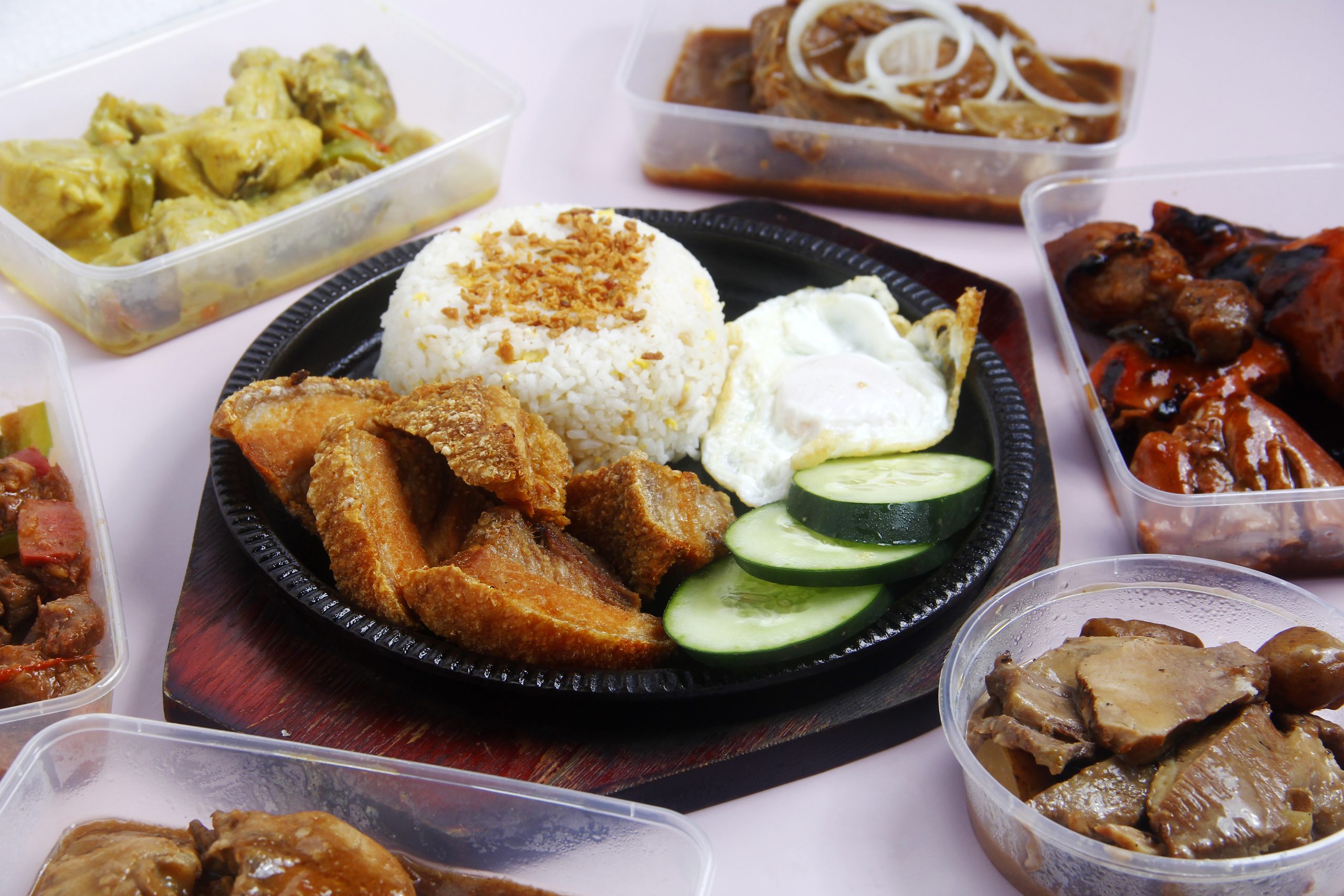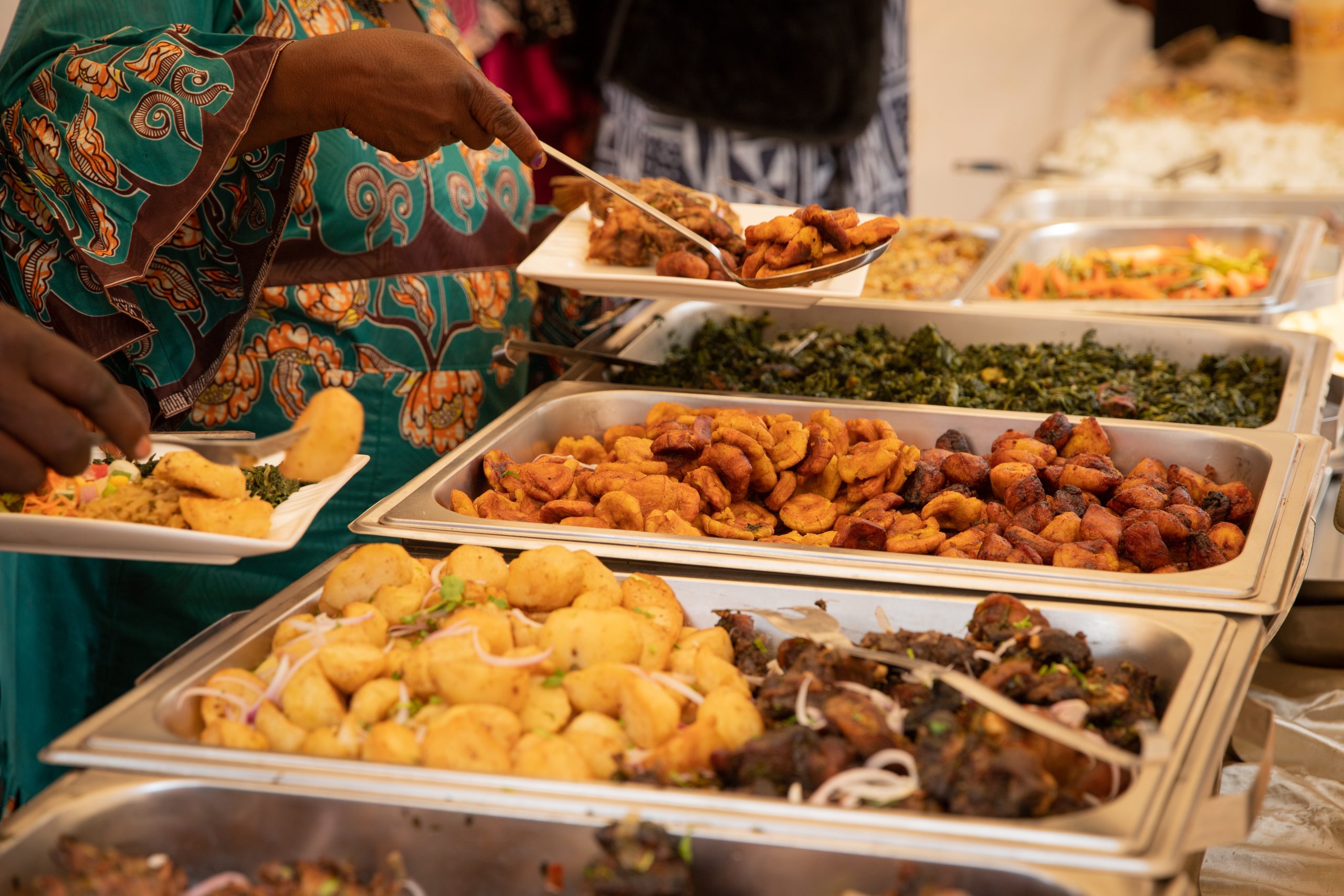



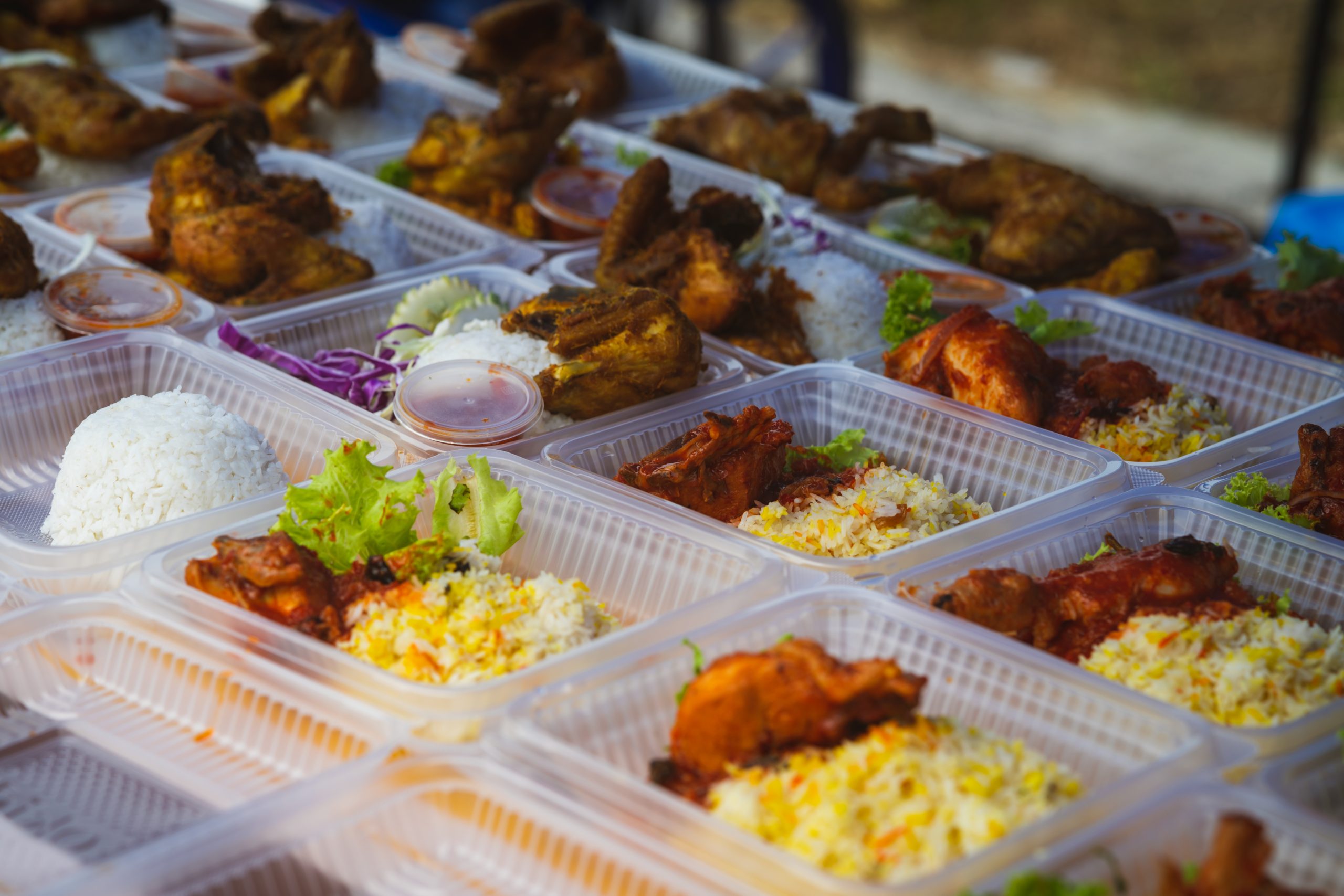
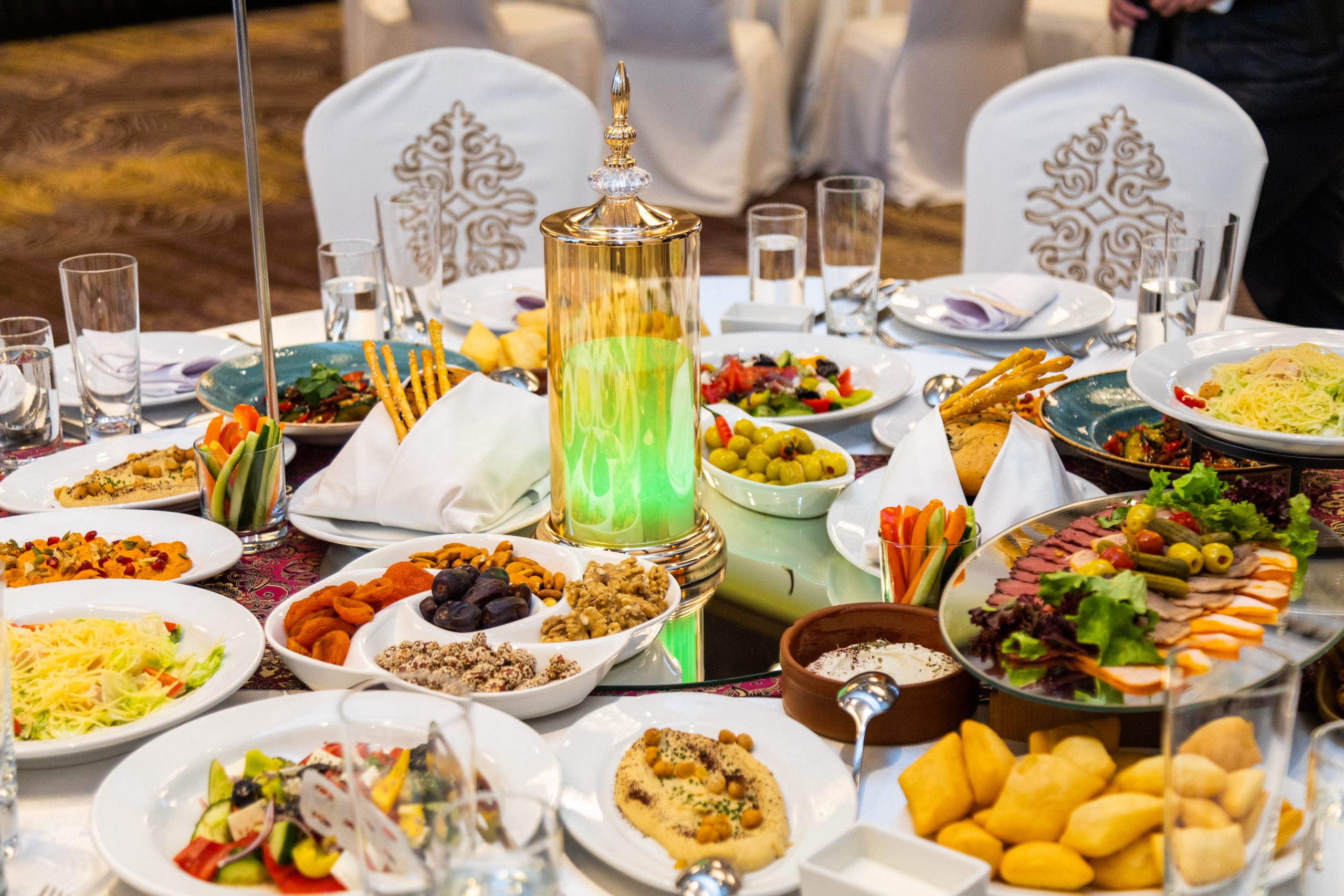
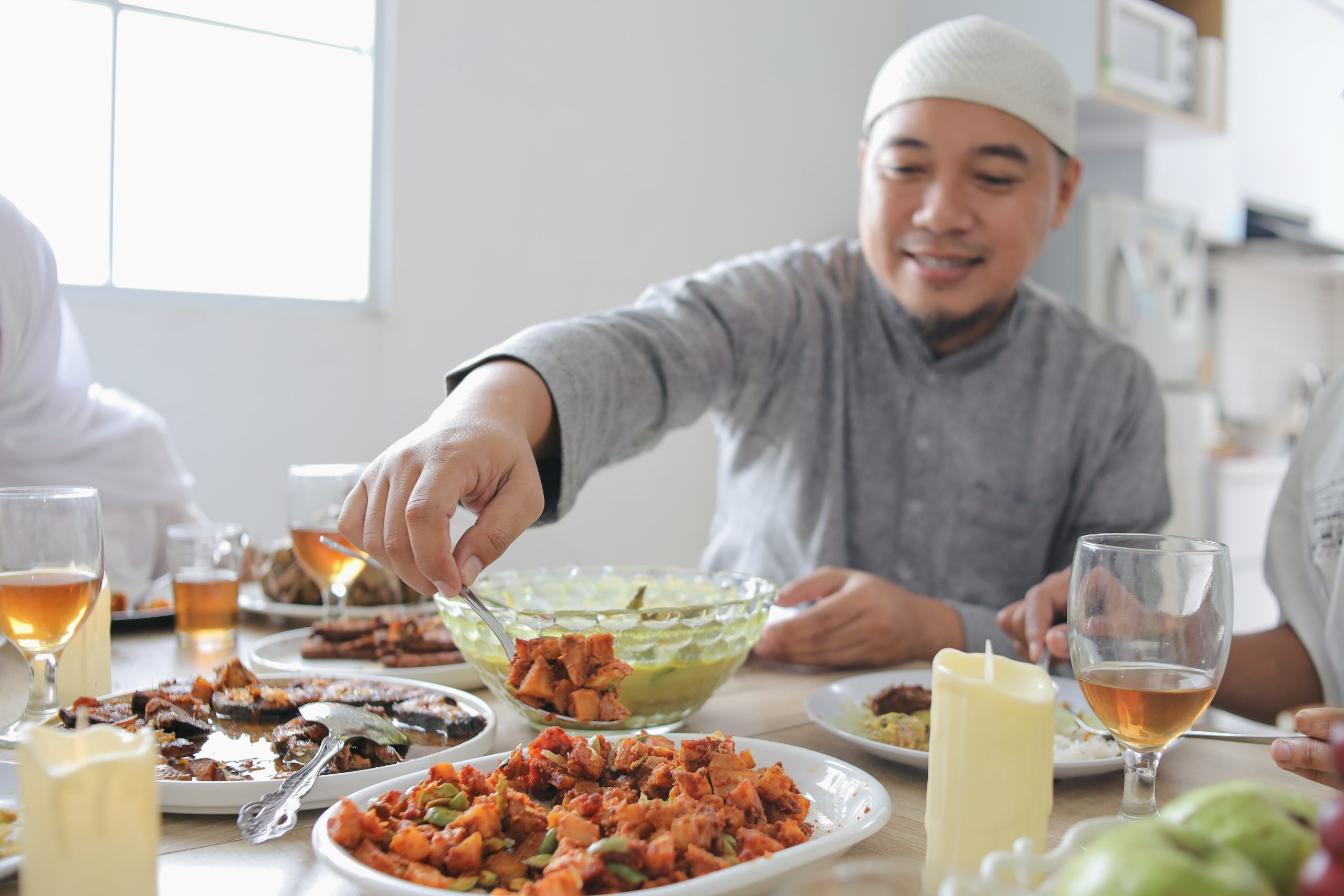

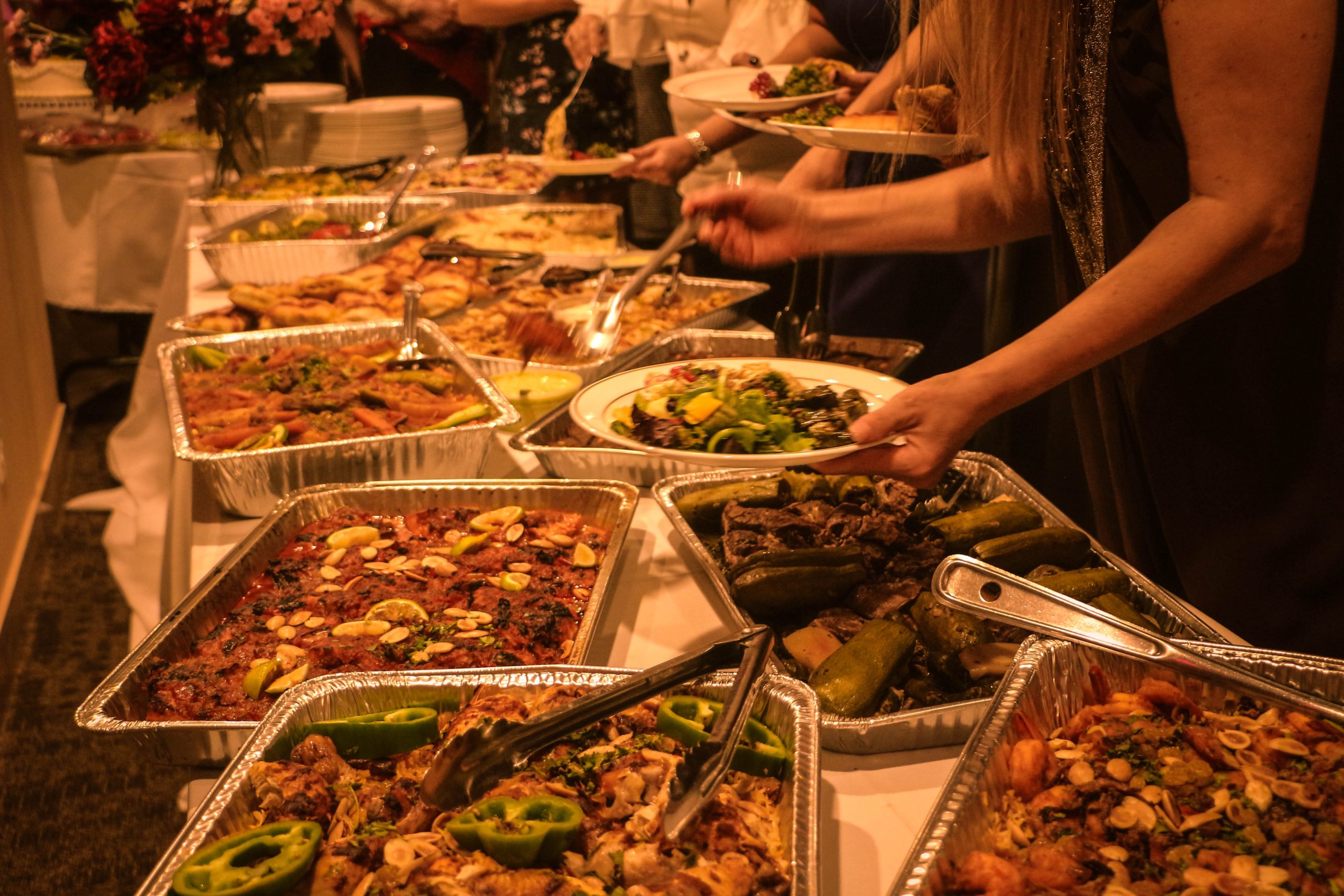
Buffet-style catering has become a popular choice for large gatherings because it allows guests to select their preferred dishes, encourages social interaction, and ensures that food is served efficiently. For Muslim events, Zabiha-certified buffets are particularly important, providing ethically prepared, religiously compliant meat while delivering a high-quality dining experience. A well-planned Zabiha buffet setup can elevate large weddings, corporate events, community gatherings, and festive celebrations.
This article explores popular Zabiha buffet setups for big events, offering tips on menu planning, presentation, and efficient service.
Why Choose a Zabiha Buffet for Large Events?
Buffet setups are ideal for large events for several reasons:
-
Variety: Guests can choose from a wide range of Zabiha dishes, accommodating different tastes and dietary preferences.
-
Efficiency: Buffets allow large numbers of attendees to be served quickly and conveniently.
-
Customization: Guests can control portion sizes and select their favorite combinations of meat, sides, and desserts.
-
Inclusivity: Zabiha-certified meat ensures that Muslim guests can dine with confidence, while vegetarian and non-meat options cater to others.
When executed correctly, a Zabiha buffet not only satisfies guests’ palates but also reflects professionalism and attention to detail.
Popular Zabiha Buffet Styles
1. Traditional Family-Style Buffet
A family-style buffet emphasizes communal sharing and classic presentation:
-
Main Dishes: Offer several Zabiha meat options such as chicken Karahi, mutton biryani, and grilled lamb chops.
-
Sides: Include rice, bread, and yogurt-based salads like raita.
-
Vegetarian Dishes: Paneer butter masala, dal makhani, and mixed vegetable curries provide balance.
-
Serving Style: Large platters are placed on long tables for self-service, encouraging social interaction and easy access.
This setup is ideal for weddings and cultural celebrations where the goal is warmth, tradition, and accessibility.
2. Station-Based Buffet
Station-style buffets add a dynamic and interactive element to large events:
-
Live Cooking Stations: Prepare kebabs, stir-fried dishes, or fresh wraps in front of guests.
-
Themed Counters: Have separate stations for Middle Eastern Zabiha dishes, South Asian specialties, and vegetarian options.
-
Efficiency: Multiple stations reduce crowding, allow faster service, and create excitement.
-
Presentation: High-quality display with garnishes and decorative plating enhances the visual appeal.
Station-based setups work well for corporate events, galas, and contemporary weddings where guests enjoy an interactive dining experience.
3. Multi-Cuisine Buffet
For diverse audiences, a multi-cuisine Zabiha buffet ensures variety and inclusivity:
-
South Asian Options: Biryani, chicken Karahi, lamb kebabs, and tandoori chicken.
-
Middle Eastern Options: Shawarma, grilled kebabs, falafel, and hummus.
-
Vegetarian and Vegan Options: Paneer dishes, mixed vegetable curries, rice, and fresh salads.
-
Dessert Station: Traditional desserts like gulab jamun and modern treats like mini cakes.
This buffet style is ideal for multicultural events, community gatherings, and corporate functions where guests have varied preferences.
Key Elements of a Successful Zabiha Buffet
-
Menu Planning: Ensure a balanced selection of meat, vegetarian, rice, breads, and desserts to satisfy all guests.
-
Portion Management: Estimate the number of attendees and prepare extra to avoid shortages.
-
Labeling and Signage: Clearly label Zabiha-certified dishes, vegetarian options, and allergen-friendly items.
-
Presentation: Use decorative platters, tiered trays, and garnishes to make dishes visually appealing.
-
Flow and Layout: Organize stations or tables to minimize crowding and maximize efficiency.
Desserts and Beverages
Buffet setups are incomplete without a thoughtful dessert and beverage selection:
-
Desserts: Include traditional Zabiha-compatible desserts such as kheer, jalebi, and gulab jamun, alongside modern options like mini pastries or chocolate mousse cups.
-
Beverages: Offer a mix of hot and cold options such as tea, coffee, fruit juices, and infused water.
-
Serving Tips: Station desserts and beverages at the end of the buffet line or at a separate table to avoid congestion.
Advantages of a Zabiha Buffet
-
Guest Satisfaction: Offers variety, customization, and high-quality Zabiha-certified dishes.
-
Scalability: Ideal for events of all sizes, from 50 to 500+ guests.
-
Efficiency: Allows large numbers of guests to be served quickly without sacrificing quality.
-
Professional Impression: Well-executed Zabiha buffets reflect careful planning, attention to dietary needs, and cultural respect.
Conclusion
Zabiha buffet setups are a practical, inclusive, and visually appealing way to serve large events. Whether opting for traditional family-style presentations, interactive station-based layouts, or multi-cuisine spreads, a well-planned buffet ensures guests enjoy ethically prepared, high-quality meals in an efficient and enjoyable manner.
By combining thoughtful menu planning, elegant presentation, and efficient service, hosts can create a memorable dining experience that satisfies diverse tastes while honoring religious and ethical standards. For weddings, corporate functions, or community events, Zabiha buffets make large gatherings seamless, flavorful, and inclusive.