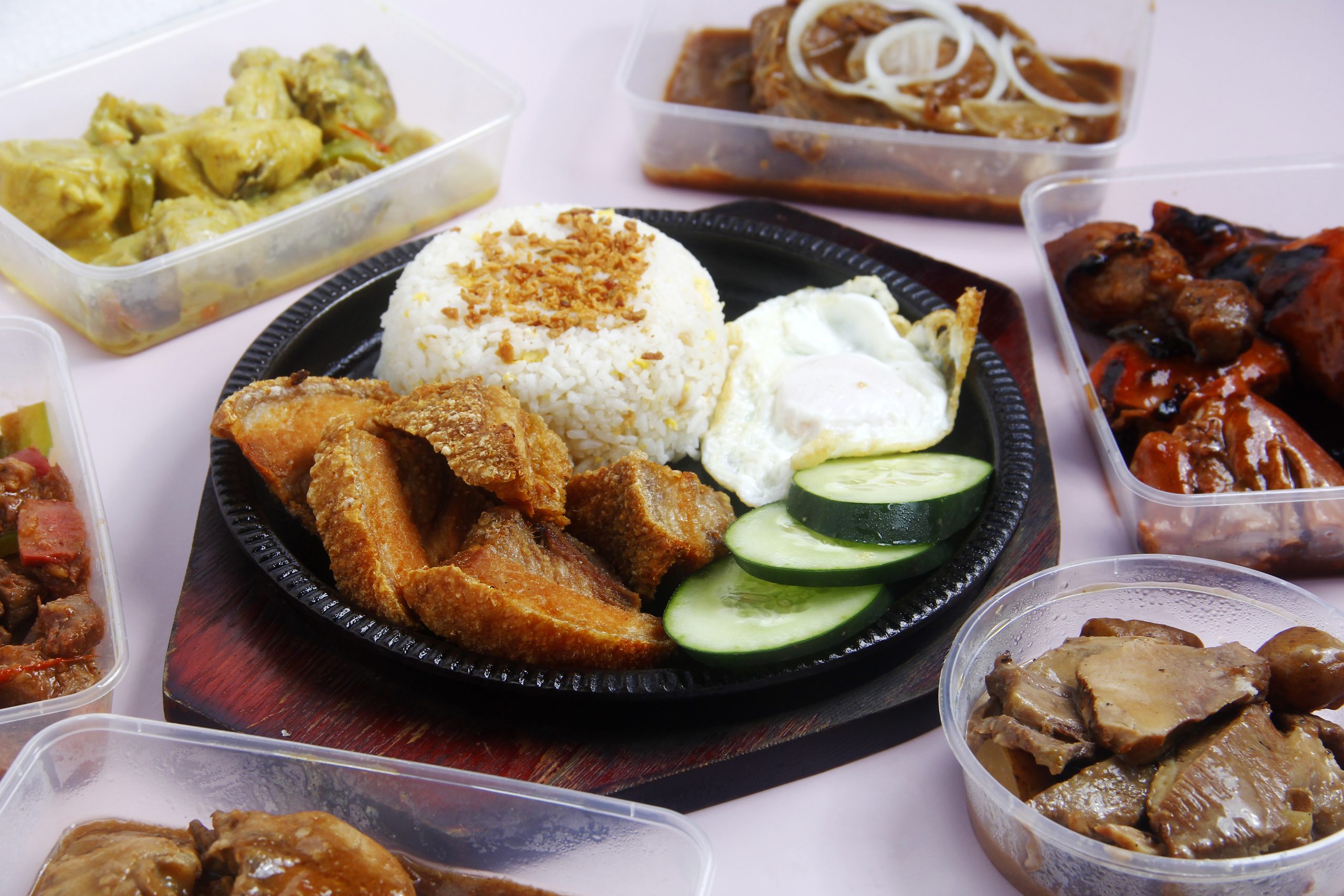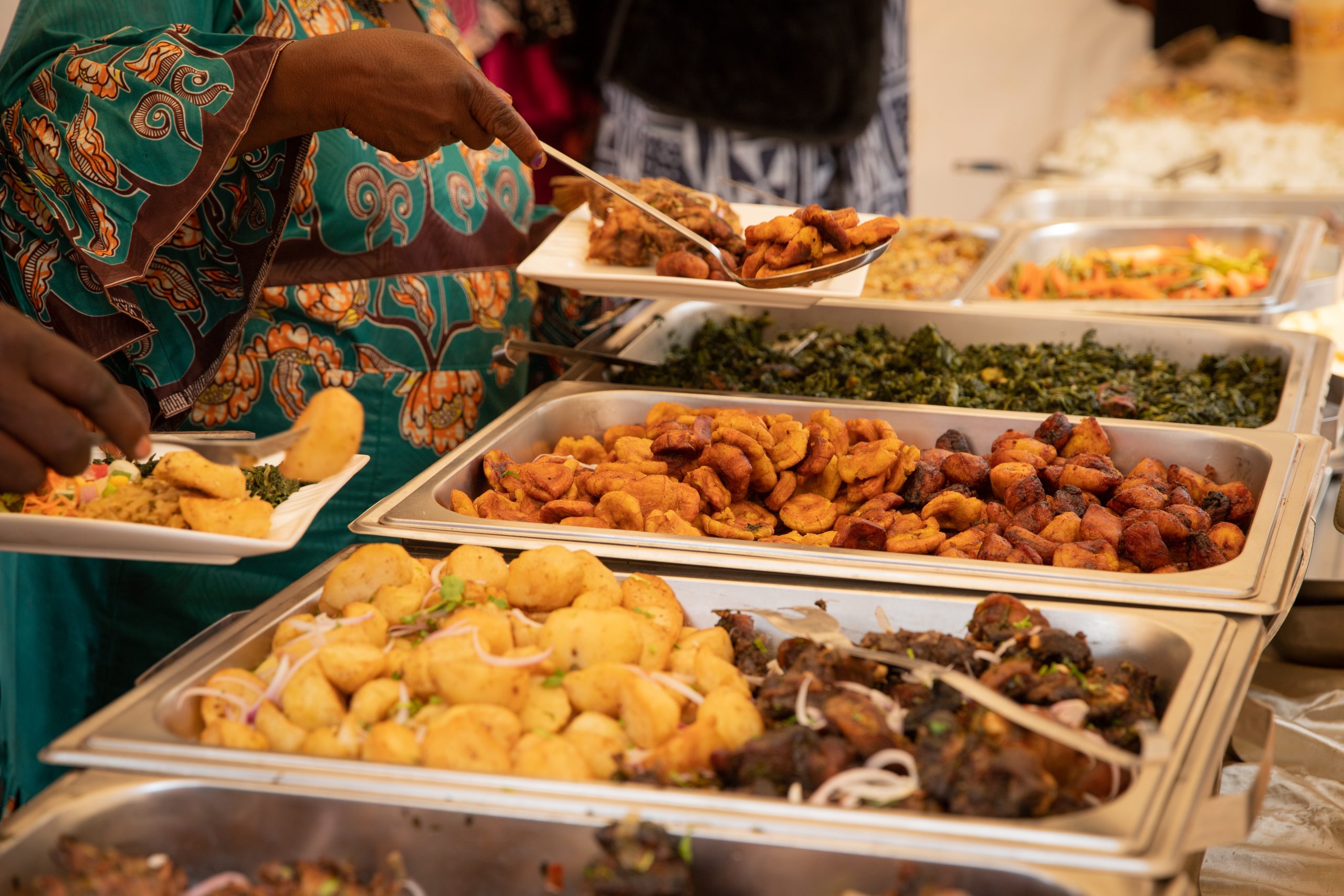



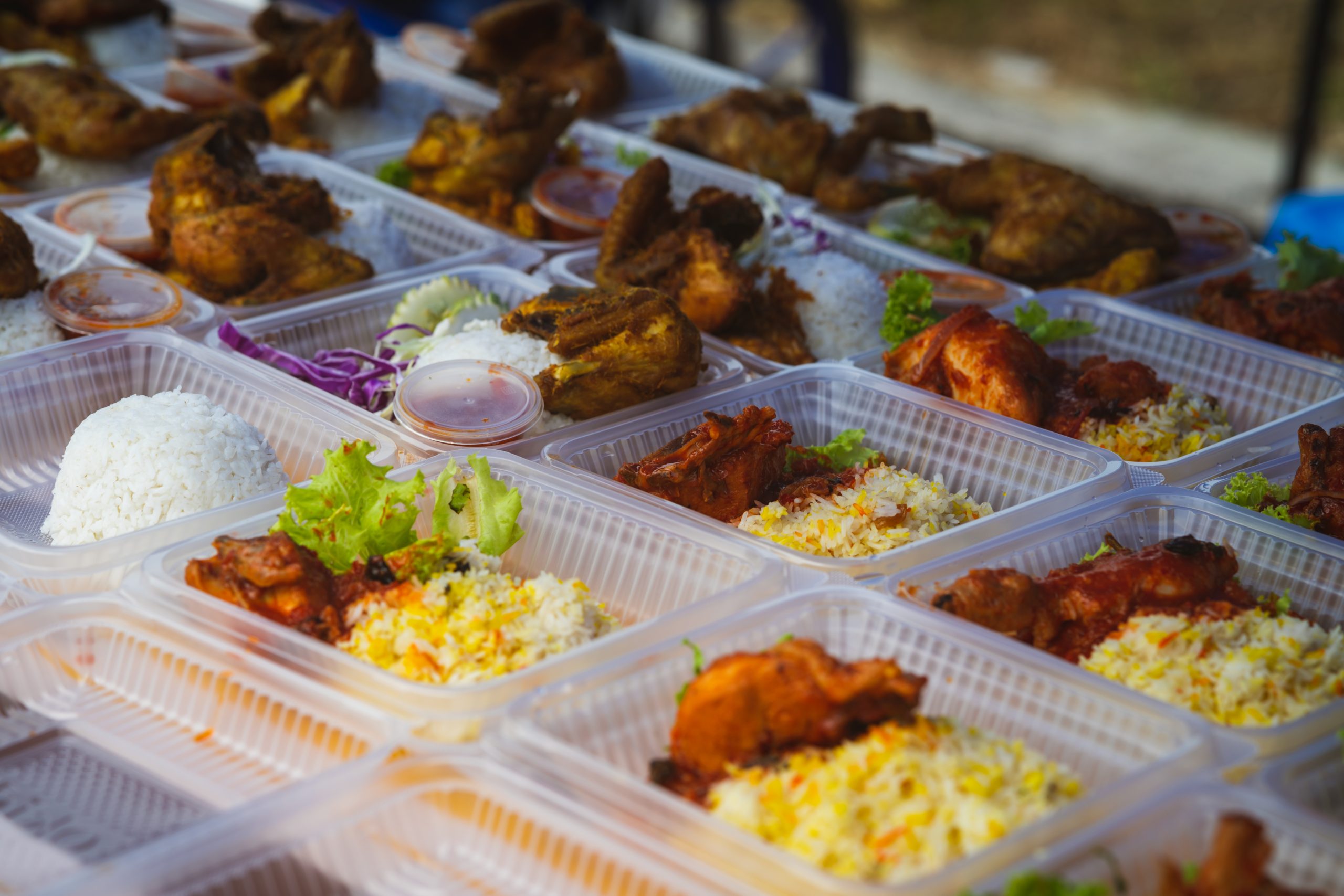

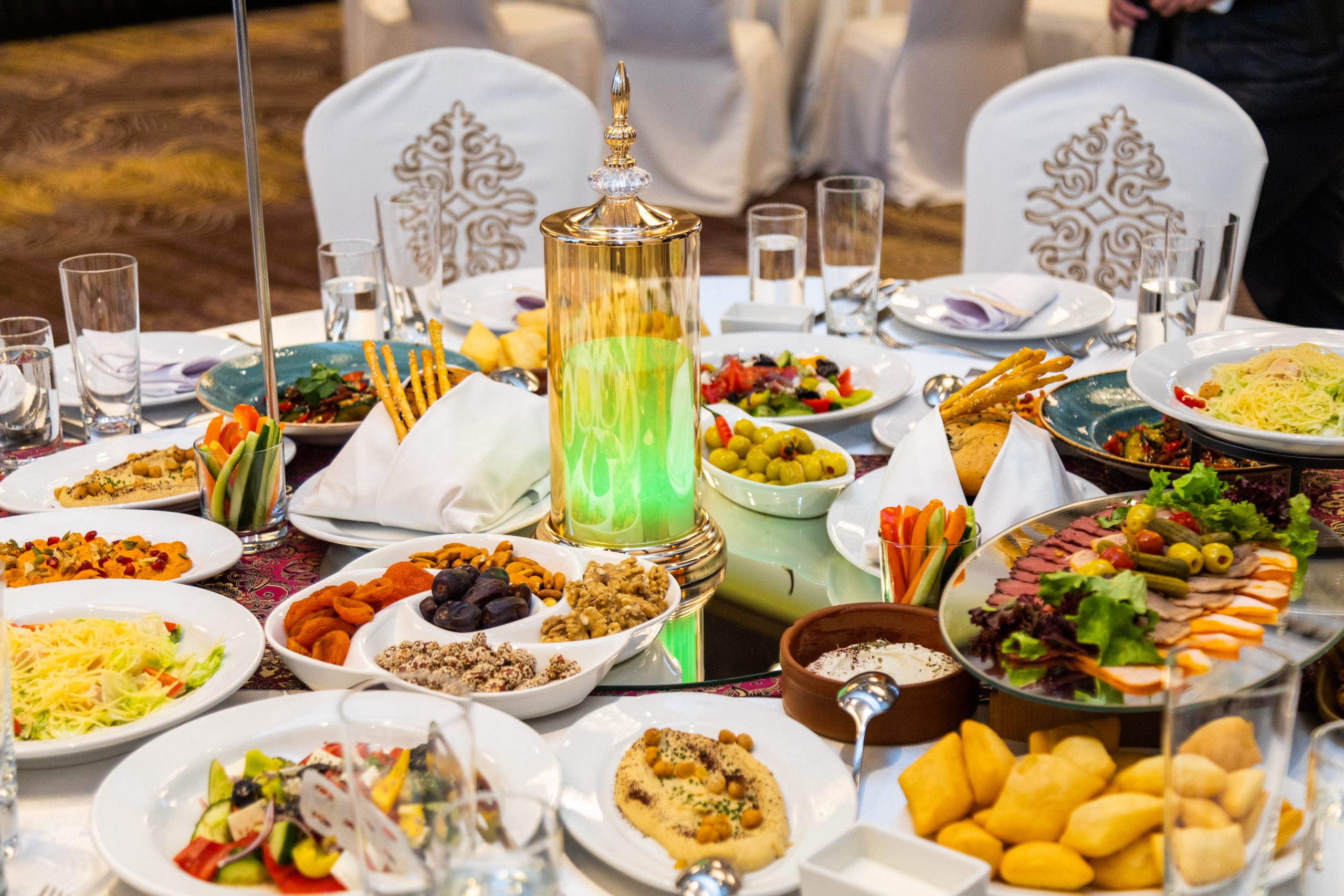

Buffets are a popular choice for large gatherings because they allow guests to choose dishes they enjoy while ensuring efficient service. When planning a buffet for a Muslim audience, incorporating Zabiha-certified meat is essential to provide ethical, religiously compliant, and high-quality dining options. A well-balanced Zabiha buffet menu not only satisfies diverse tastes but also creates a visually appealing and memorable dining experience.
This article explores practical strategies for designing a well-balanced Zabiha buffet menu for weddings, corporate events, community gatherings, and festive celebrations.
Understanding the Basics of a Zabiha Buffet
Zabiha meat is prepared according to Islamic law, emphasizing humane treatment, proper drainage of blood, and ethical practices. Serving Zabiha-certified dishes at buffets ensures:
-
Religious Compliance: Muslim guests can enjoy meals confidently.
-
Ethical Sourcing: Meat is prepared responsibly and transparently.
-
High Quality: Zabiha meat is fresh, tender, and flavorful.
A well-thought-out buffet menu balances Zabiha meat, vegetarian dishes, sides, desserts, and beverages to cater to all guests.
Key Components of a Balanced Zabiha Buffet
1. Protein Selection
The heart of any buffet is the protein dishes, especially Zabiha meat:
-
Zabiha Chicken: Options include chicken Karahi, tandoori chicken, chicken tikka, or butter chicken.
-
Zabiha Lamb or Mutton: Lamb kebabs, rogan josh, or mutton biryani offer rich, satisfying flavors.
-
Zabiha Beef: Beef kebabs, stews, or biryani can complement other dishes.
-
Vegetarian Proteins: Paneer dishes, lentils (dal), and tofu-based options ensure inclusivity.
Offering a variety of proteins guarantees that all guests, including those with dietary restrictions, have suitable choices.
2. Carbohydrates and Starches
Rice, bread, and other starches form the foundation of the buffet:
-
Rice Dishes: Biryani, pulao, or simple basmati rice are essential staples.
-
Bread: Naan, parathas, rotis, or stuffed breads add variety and pair well with curries and meats.
-
Potato-Based Dishes: Options like aloo gobi or mashed potatoes can complement the main courses.
Carbohydrates should be portioned appropriately to balance with protein-heavy dishes.
3. Vegetables and Salads
Vegetables and salads provide freshness, balance, and color:
-
Cooked Vegetables: Dishes like mixed vegetable curry, sauteed greens, or roasted vegetables.
-
Fresh Salads: Simple cucumber, tomato, and lettuce salads or more elaborate Middle Eastern salads like tabbouleh.
-
Raita and Yogurt-Based Salads: Cools the palate and complements spicy meat dishes.
Including a variety of vegetables ensures nutritional balance and appeals to health-conscious guests.
4. Accompaniments and Condiments
Buffets are incomplete without flavorful accompaniments:
-
Chutneys and Pickles: Mint chutney, tamarind sauce, or mango pickle enhances taste.
-
Sauces: Gravies and curries should be served in appropriate containers to prevent spillage.
-
Garnishes: Fresh herbs, fried onions, or pomegranate seeds improve presentation and flavor.
These elements elevate the dining experience and encourage guests to explore different combinations.
5. Desserts
Desserts provide a sweet conclusion and can be a highlight of the buffet:
-
Traditional Options: Gulab jamun, kheer, jalebi, or baklava.
-
Modern Treats: Mini cakes, mousse cups, or chocolate truffles.
-
Presentation: Individual servings or elegantly arranged trays make desserts visually appealing and easy to serve.
Desserts add variety, color, and a celebratory touch to the buffet.
Tips for Balancing the Buffet
-
Proportion and Variety: Include a mix of meats, vegetarian dishes, sides, and desserts. Avoid overloading on one category.
-
Flavor Profiles: Offer a range of flavors—mild, medium, and spicy—to satisfy all palates.
-
Portion Control: Estimate guest numbers to prepare adequate portions without excess waste.
-
Dietary Considerations: Clearly label Zabiha dishes, vegetarian options, and allergen-friendly items.
-
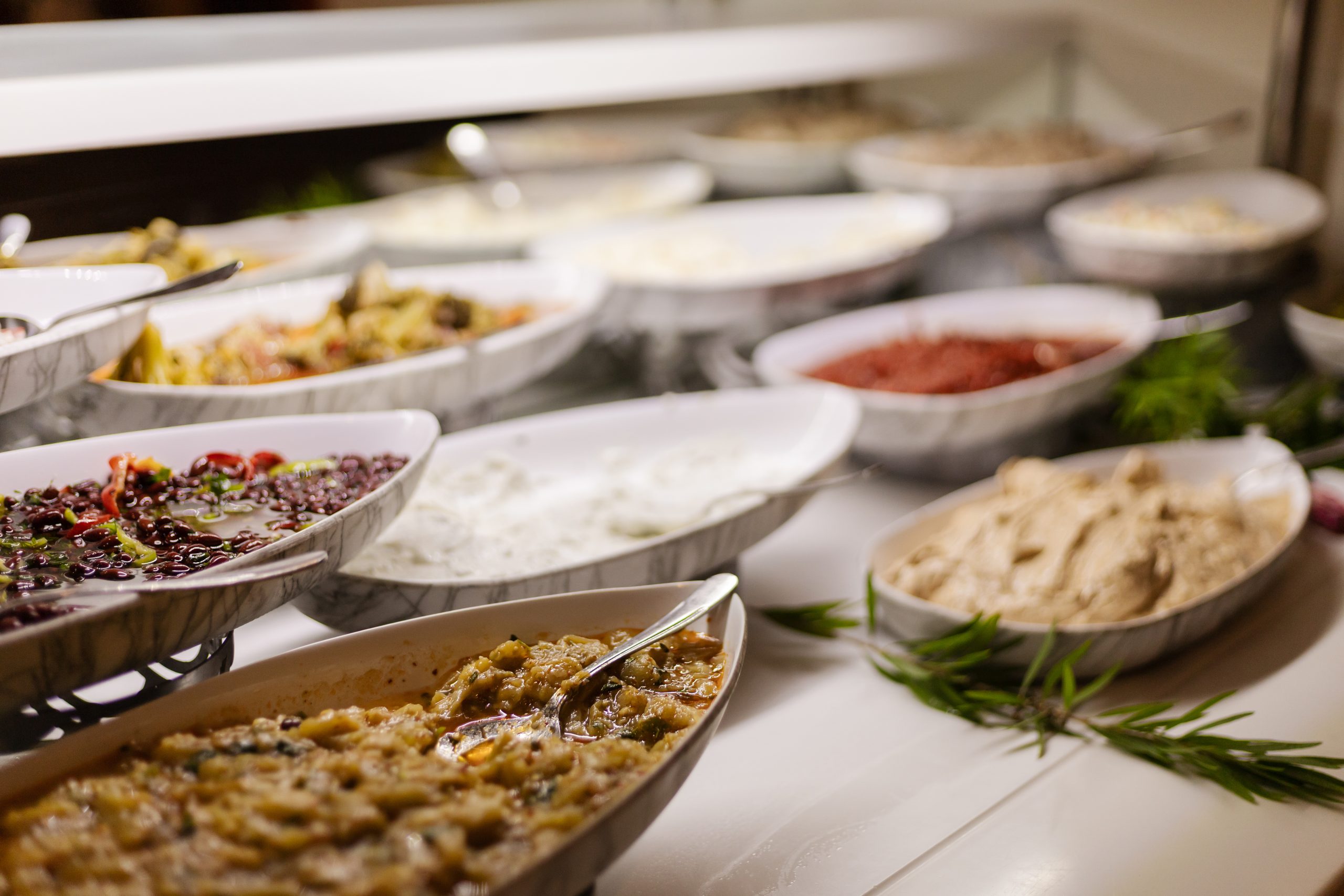
Visual Appeal: Arrange dishes on tiered trays, use decorative platters, and incorporate garnishes for an inviting presentation.
Conclusion
Designing a well-balanced Zabiha buffet menu requires careful planning, attention to variety, and a focus on quality. By combining ethically sourced Zabiha meat, fresh vegetables, complementary starches, flavorful accompaniments, and appealing desserts, hosts can create a buffet that satisfies diverse tastes and dietary needs.
A thoughtfully curated Zabiha buffet enhances large events, providing inclusivity, ethical compliance, and memorable dining experiences. Whether for weddings, corporate functions, or community celebrations, a balanced buffet menu ensures guests leave satisfied, impressed, and confident in the quality and authenticity of the food served.