








Hygiene is a cornerstone of professional Zabiha catering. Guests expect not only faith-compliant food but also meals prepared under clean and safe conditions. Adhering to proper hygiene practices ensures food safety, builds trust, and enhances the overall dining experience.
Personal Hygiene of Catering Staff
Caterers must ensure all staff maintain excellent personal hygiene:
-
Regular handwashing, especially before handling food
-
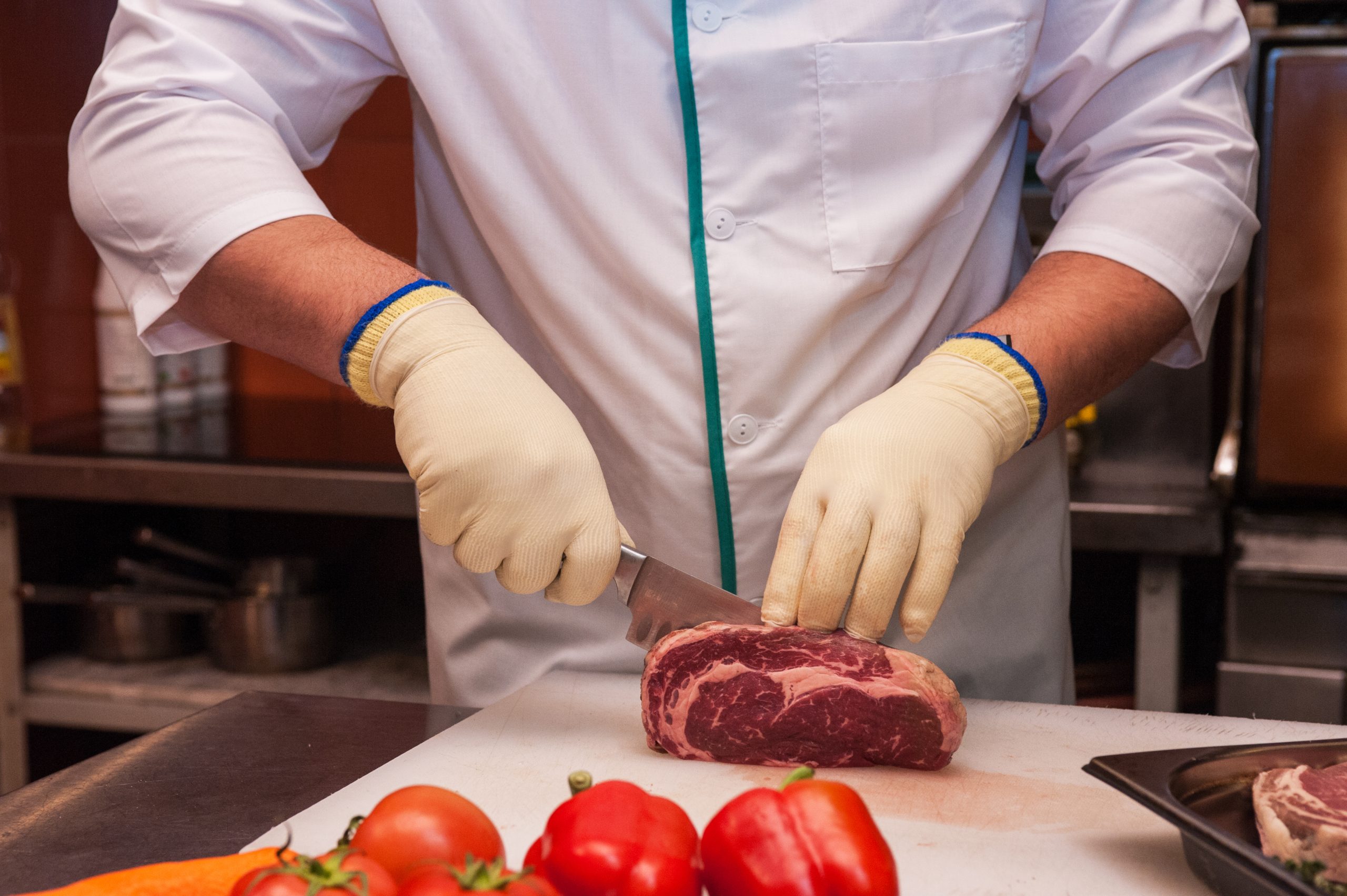
Use of clean gloves, aprons, and hairnets
-
Avoiding jewelry or accessories that may contaminate food
-
Reporting illness and staying home when sick to prevent cross-contamination
Clean and Sanitized Equipment
All tools and kitchen equipment should be properly cleaned and sanitized:
-
Knives, cutting boards, and utensils must be sterilized before and after use
-
Cooking surfaces and prep areas should be cleaned frequently
-
Storage containers and serving trays should be washed thoroughly
Separate Handling of Zabiha Meat
Preventing cross-contamination is critical:
-
Zabiha meat should be handled and stored separately from non-Zabiha items
-
Raw and cooked meat should never share surfaces or utensils
-
Proper labeling ensures staff and guests can identify Zabiha items easily
Temperature Control and Storage
Maintaining proper temperatures reduces bacterial growth:
-
Cold storage for raw meat and perishables should be below recommended thresholds
-
Hot dishes must be kept at serving temperatures until consumed
-
Monitor and document temperatures regularly to ensure compliance
Clean Environment for Preparation and Serving
The catering environment must remain sanitary:
-
Floors, counters, and walls should be cleaned regularly
-
Waste must be disposed of promptly and safely
-
Serving areas, buffet lines, and live stations should be maintained throughout the event
Training and Compliance
Staff should receive ongoing training:
-
Food safety and hygiene protocols
-
Zabiha handling procedures
-
Emergency measures for spills or contamination
Regular training ensures consistent hygiene standards across all events.
Conclusion
Hygiene practices are essential in Zabiha catering, protecting both guests and the reputation of the caterer. From personal hygiene and equipment cleaning to temperature control and proper Zabiha handling, following these protocols guarantees safe, high-quality, and faith-compliant meals for every occasion.